
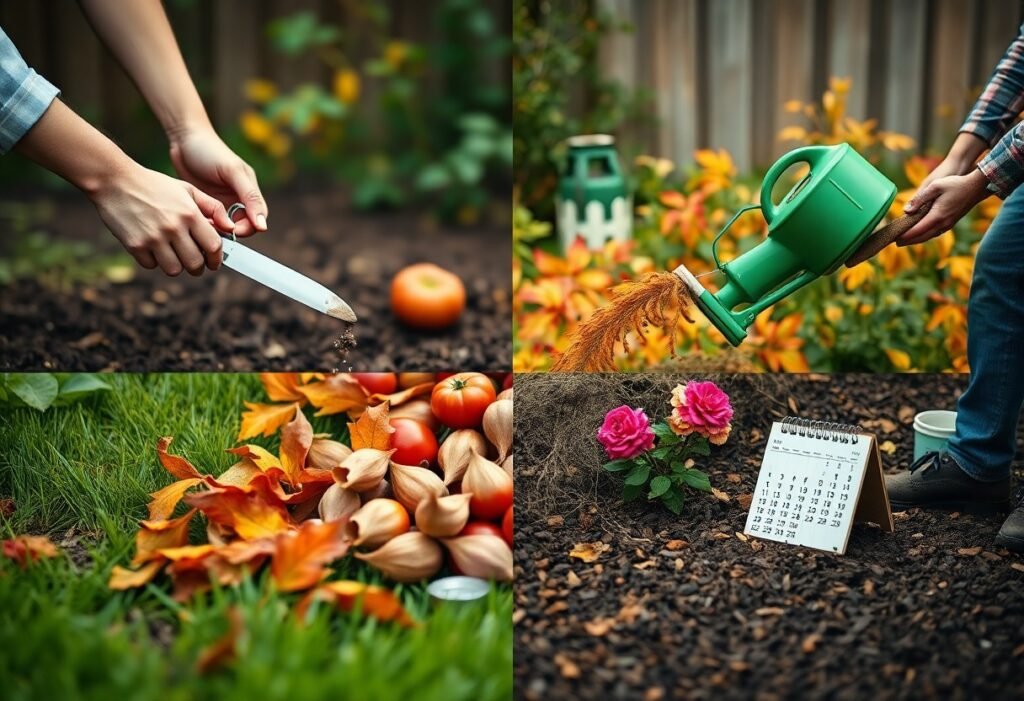
You wake to the first light of spring and notice the soil near your back step has softened, ready for work. Each season brings distinct, non-negotiable tasks that shape your garden’s health and yield. From pruning dormant branches to managing summer irrigation, your consistent attention determines what thrives. This guide outlines the necessary actions to take, month by month, to keep your landscape resilient and productive year after year.
The Vernal Quickening
Spring’s return signals a surge in biological activity, when soil temperatures rise and microbial life reawakens. You’ll notice earthworms returning to the surface and fungal networks resuming nutrient exchange, creating ideal conditions for root development. Cool nights still occur, but the increasing daylight stabilizes, encouraging perennials to break dormancy.
Deciduous trees push out tender buds, and early pollinators like mining bees emerge in search of nectar. This window offers the best opportunity to correct pH imbalances from winter leaching, particularly in clay-heavy soils. A mid-sized SaaS firm’s garden in Oregon improved tulip yields by adjusting lime applications during this phase, aligning with local frost patterns.
Turning the Loam
Soil structure improves dramatically when turned at the right moisture content. Wait until the ground is workable but not wet, as premature tilling can compact clay soils. Break up clods gently, incorporating compost to boost organic matter.
Root vegetables like carrots respond well to deeply loosened beds, while heavy feeders such as tomatoes benefit from early integration of aged manure. Avoid walking on freshly turned areas to preserve aeration. One gardener in Vermont reduced compaction issues by using raised beds after repeated foot traffic damaged her spinach rows.
Sowing the Early Seed
Cold-hardy crops such as spinach, kale, and peas thrive when sown as soon as the soil can be worked. These plants germinate in cool conditions, often establishing before the last frost. Direct seeding works best, as transplanting can delay development.
Radishes, for example, can mature in as little as 25 days, providing an early harvest while other crops establish. Succession planting every two weeks extends the yield. Use row covers to protect emerging seedlings from late freezes and foraging birds.
Early sowings of arugula and mizuna have proven particularly resilient in coastal regions, where spring temperatures fluctuate widely. These greens bolt quickly if delayed, making timing necessary. A community garden in Maine reported higher yields by starting seeds indoors two weeks before the anticipated planting date, then hardening them off gradually.
The Meridian Heat
Rhythms of Water
Watering in the early morning aligns with the garden’s natural transpiration cycle, reducing evaporation and promoting deep root absorption. A mid-sized SaaS firm might run on data, but your tomato plants run on timing-deliver moisture when the soil is coolest and demand is lowest.
Overhead irrigation during midday wastes water and invites fungal issues, especially in dense plantings like zucchini or bee balm. Soaker hoses or drip systems deliver targeted hydration, keeping foliage dry and encouraging resilience through consistent, measured supply.
Vigilance Against the Pest
Japanese beetles often appear in midsummer, skeletonizing roses and grape leaves within days if unchecked. Hand-picking them into soapy water at dawn limits reproduction without harming beneficial insects like lacewings or parasitic wasps.
Inspect the undersides of squash leaves weekly for clusters of yellow eggs-likely squash vine borers preparing to hatch. Early detection allows for physical removal or targeted neem application before internal damage begins.
Row covers installed in late spring act as physical barriers against cucumber beetles, which transmit bacterial wilt to cucurbit crops. These lightweight fabrics permit light and rain penetration while excluding pests, offering protection during the most vulnerable growth stages.
The Golden Decline
Reaping the Harvest
Harvesting late-season crops like pumpkins, winter squash, and Brussels sprouts requires timing and precision. You should pick these vegetables just before the first frost to preserve flavor and texture. Tomatoes on the vine can be brought indoors to ripen near a sunny window, extending their usability. Root crops such as carrots and beets often sweeten after a light frost, making early autumn the ideal window for gathering.
Preparing the Winter Shroud
Frost-sensitive perennials benefit from a protective mulch layer applied after the soil cools. You can use straw, shredded leaves, or pine boughs to insulate plant crowns from freeze-thaw cycles. Avoid applying mulch too early, as it can trap warmth and encourage premature growth. This covering helps retain moisture and shields delicate root systems throughout the coldest months.
A mid-sized SaaS firm might schedule quarterly reviews, but your garden needs seasonal attention grounded in natural cycles. For tender plants like lavender or rosemary, a breathable fabric wrap adds extra defense without promoting mold. Cut back diseased foliage before covering, and leave space around plant bases to prevent rot. Well-prepared beds emerge stronger in spring.
The Solstice Reflection
Midwinter stillness offers a rare pause in the gardening year, a moment when growth retreats and the soil rests beneath frost. You observe bare branches etched against gray skies, recognizing dormancy not as absence but preparation. This quiet mirrors the necessary cycles of retreat and return, much like a mid-sized SaaS firm reviewing its annual metrics before planning upgrades.
Observing how last season’s kale survived three hard frosts informs next year’s planting zones. You note which shrubs held their form under snow load, their structure now guiding future placement decisions. Even in stillness, the garden communicates.
Sharpening the Steel
Winter is the time to restore tools dulled by a season of heavy use. You clean rust from spade blades with steel wool, then file the edge to a fine, straight plane. A sharp spade slices cleanly through sod, reducing strain and improving transplant success rates.
Oil the wooden handles to prevent cracking, and tighten loose heads on hoes and rakes. A well-maintained trowel lasts decades, its polished metal reflecting years of attentive care. One gardener in Vermont still uses her grandfather’s dibber, worn smooth from 1948.
Planning the Future Map
Seed catalogs arrive thick in January, their glossy pages sparking ideas for next season’s layout. You sketch a revised crop rotation plan, moving tomatoes away from last year’s plot to disrupt pest cycles. Companion planting gains structure when mapped early, such as placing basil near tomatoes and marigolds along bean rows.
Consider extending the growing season with a cold frame near the south-facing wall. Its position captures low winter sun, allowing for early lettuce harvests by March. Planning now prevents overcrowding and improves sunlight distribution across beds.
Mapping isn’t guesswork; it’s informed adjustment. You cross-reference last year’s journal entries, noting where squash overwhelmed the north bed. This year, allocate only half that space, replacing the rest with overwintered garlic. Physical constraints like shade from mature oaks guide bed dimensions, ensuring only partial-sun plants occupy those zones. A measured approach transforms trial and error into reliable yield.
Final Words
You complete the seasonal cycle by reflecting on what thrived and what struggled in your garden over the past year. A mid-sized SaaS firm may track user engagement, but you track bloom times, soil moisture, and pest patterns unique to your plot. Your observations become next season’s blueprint, guiding seed choices, layout adjustments, and compost strategies. You protect perennials with mulch before the first hard freeze, ensuring roots survive dormant months. You clean tools thoroughly, oil metal surfaces, and store hoses indoors to prevent cracking. These small, deliberate acts sustain your garden’s health far beyond the growing season.
You begin each year better prepared because consistency compounds over time. Success isn’t measured in flawless blooms but in steady attention to timing, texture, and balance. You adapt to shifting weather cues, local frost dates, and pollinator behavior without rigid adherence to calendars. Your garden evolves not through grand interventions but through routine care aligned with natural rhythms. You harvest, prune, plant, and rest when the land signals it’s time. This is how home gardens endure and improve, year after year.