
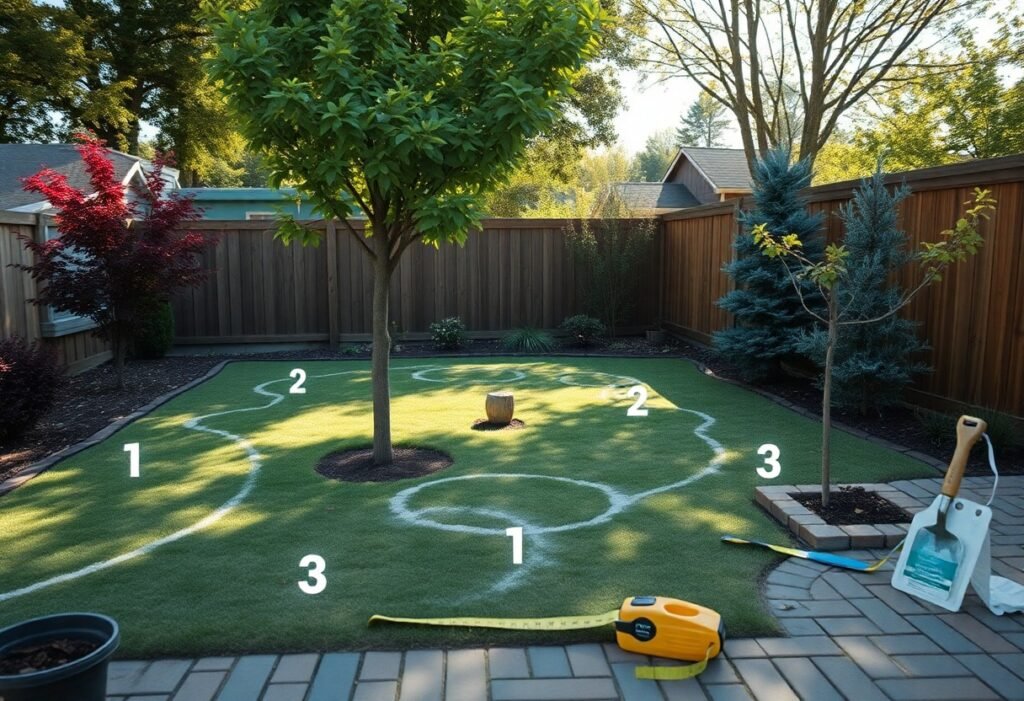
Many homeowners underestimate how much a single tree can shape the character and function of their outdoor space. You face real decisions that affect shade, privacy, property value, and long-term upkeep. Selecting the right tree isn’t just about aesthetics; it requires aligning species traits with your yard’s conditions and your goals. This guide walks you through each decisive factor with practical clarity.
Assessing Environmental Factors
Understanding your yard’s unique conditions ensures long-term tree health and minimizes future complications. Sun exposure, soil type, drainage, and local microclimates vary even within a single property. Matching tree species to these conditions prevents stress and supports natural growth patterns. Consider these elements before selecting a single variety.
- Observe how sunlight moves across your yard throughout the day
- Note areas where water pools after rain
- Identify spots sheltered from wind or prone to frost
- Record variations in temperature between different zones
Perceiving subtle environmental shifts helps you place trees where they will thrive without excessive intervention.
Analyzing Sunlight Exposure and Microclimates
Direct sunlight can range from less than four hours daily in shaded corners to over eight in open areas. Map these patterns over several days to distinguish full sun, partial shade, and full shade zones. A mature oak in one yard may cast a shadow that creates a cool microclimate suitable for understory species like dogwood. Position sun-loving fruit trees where they receive unobstructed light from morning to mid-afternoon.
Testing Soil Composition and Drainage Capacity
Soil texture affects root development, nutrient uptake, and water retention. Perform a simple squeeze test to identify sandy, clay, or loamy soils. Dig a hole about 12 inches deep and fill it with water to observe how quickly it drains. Slow drainage may indicate compaction or high clay content, limiting options to species tolerant of wet conditions like river birch. Fast-draining sandy soil benefits drought-resistant types such as juniper.
One mid-sized SaaS firm discovered that persistent standing water near their patio stemmed from a buried drainage layer that redirected runoff toward the foundation. Correcting the slope and selecting moisture-tolerant red maples resolved both aesthetic and structural concerns. Soil structure is not static; it responds to grading, compaction, and organic inputs over time. Perceiving these dynamics allows for smarter species selection and long-term landscape resilience.
Defining the Primary Purpose of the Tree
Every tree you plant should serve a clear function in your landscape design. Whether you’re aiming to reduce energy costs, frame a view, or support local wildlife, identifying the primary goal shapes your species selection. A well-placed tree can lower summer cooling bills by shading windows and walls, while deciduous varieties allow sunlight through in winter when leaves drop.
Some homeowners prioritize aesthetic rhythm, using trees to create focal points or seasonal interest. Others need fast-growing types to quickly establish boundaries or block unwanted views. Your intended outcome determines whether form, function, or foliage takes precedence in your decision.
Selecting Species for Maximum Shade and Cooling
Oak, maple, and sycamore are proven choices when shade is the priority. These broad-canopied trees intercept solar radiation, reducing ground temperatures beneath by as much as 20 degrees. Position them to the south and west of your home to shield living spaces during peak sun hours.
Deciduous species offer seasonal advantages, cooling in summer while permitting winter sun to warm your home. A mature red maple, for example, can cast shade over a 30-foot diameter, significantly reducing reliance on air conditioning in a mid-sized SaaS firm’s outdoor work area.
Choosing Options for Privacy Screens and Noise Reduction
Dense evergreens like arborvitae, Leyland cypress, and eastern red cedar form effective visual and sound barriers. Planted in staggered rows, they block sightlines and absorb ambient noise from roads or neighboring properties. Their year-round foliage ensures consistent coverage, unlike deciduous alternatives that lose leaves in winter.
Height and spacing determine the effectiveness of your screen. A row of Thuja green giants spaced 5 feet apart can rise 3 to 5 feet per year, forming a 15-foot hedge within five years. Their tight growth habit resists wind penetration, enhancing noise dampening.
Sound travels in waves, and dense vegetation disrupts these waves through absorption and deflection. Thick layers of foliage, stems, and branches scatter noise, especially when combined with topography or berms. A mixed evergreen screen planted alongside a mounded earth barrier increases sound reduction more than either element alone, creating a functional and natural buffer.
Evaluating Size and Growth Characteristics
Understanding Mature Height and Canopy Spread
Tree selection requires anticipating how tall and wide it will grow at maturity. A red maple may reach 40 to 50 feet in height with a 30-foot spread, easily crowding structures if planted too close. Consider overhead utility lines and nearby buildings when positioning larger species.
Smaller ornamentals like the serviceberry stay under 20 feet, making them ideal beneath power lines or near patios. Always check species-specific growth patterns, as a tree’s form-pyramidal, rounded, or spreading-affects spacing and long-term clearance.
Managing Root Systems Near Foundations and Pipes
Some trees develop aggressive root systems that can compromise underground utilities or foundation integrity over time. Silver maples and willows are known for shallow, spreading roots that may infiltrate sewer lines, especially in clay or compacted soils.
Planting large trees at least 15 to 20 feet from the house reduces risk, while species like the honey locust offer deeper, less invasive roots. Root barriers can help redirect growth when space is limited, particularly near sidewalks or drainage fields.
A mid-sized SaaS firm relocated its office landscaping after a Callery pear’s roots lifted a concrete walkway, illustrating how poor placement leads to costly repairs. Selecting trees with non-invasive root structures prevents similar issues, especially in urban or tightly spaced yards.
How to Match Trees to Your Hardiness Zone
Your local hardiness zone determines which trees can survive winter temperatures in your region. The USDA map divides North America into zones based on average annual minimum temperatures, helping you narrow suitable species. A sugar maple, for instance, thrives in zones 3-8 but will struggle in the deep South’s heat and humidity. Selecting trees rated for your specific zone improves establishment and reduces long-term stress.
Identifying Climate-Resilient Native Species
Native trees like the eastern redbud or white oak are naturally adapted to your area’s climate, soil, and rainfall patterns. These species often require less irrigation and resist local pests without chemical intervention. A mid-sized SaaS firm in Austin replaced non-native ornamentals with Texas red oak and saw a 40% drop in landscape water use over two years. Their resilience supports sustainable landscaping while promoting regional biodiversity.
Considering Deciduous versus Evergreen Varieties
Deciduous trees shed leaves seasonally, offering shade in summer and allowing sunlight in winter when bare. This cycle benefits energy efficiency for homes aligned with passive solar principles. Maples, ashes, and elms provide dense canopies that cool patios and reduce cooling costs. Their annual leaf drop also contributes organic matter to soil, enhancing long-term fertility without supplemental mulching.
Evergreen varieties maintain foliage year-round, providing consistent privacy and wind protection. Species like eastern red cedar or southern magnolia serve as effective screens and habitat for birds. You might choose them for north-facing exposures where winter sun is less critical. Their persistent canopy also minimizes soil erosion on slopes during rainy seasons, adding functional value beyond aesthetics.
Tips for Selecting Healthy Nursery Stock
Look closely at the overall form of the tree before making a decision. A well-proportioned canopy, free of broken or torn branches, suggests proper care. Avoid trees with trunk wounds, sunscald, or evidence of pest activity near the bark. Healthy foliage should be full and consistent in color, with no signs of spotting, wilting, or premature drop. Assume that
- The trunk is straight and free of deep cuts or protrusions
- Branch unions are evenly spaced and not clustered
- Foliage is dense and uniformly colored
- Roots are not circling tightly at the container’s edge
Inspecting Trunk Integrity and Branch Structure
Examine the trunk for smooth, unbroken bark without splits, holes, or oozing sap. A strong central leader in upright trees indicates stable future growth. Branches should form wide angles with the trunk, ideally above 30 degrees, to resist splitting under wind or snow load. Trees with multiple leaders or narrow crotches often require corrective pruning early on. A maple at a local nursery with a cracked fork was removed within two years due to structural failure.
Evaluating Root Health and Container Conditions
Tip the container gently to check how the roots are developing. Healthy roots spread outward without circling tightly around the inside of the pot. If roots spiral densely or form a matted ball, the tree may become rootbound after planting. Soil should feel moist but not soggy, and roots should be firm and white, not brown or mushy. Assume that
Roots growing out of drainage holes may indicate the tree has been in the container too long. A mid-sized SaaS firm’s campus once planted twenty container-grown oaks, half of which showed stunted growth due to girdling roots missed during inspection. Regular root checks at purchase could have prevented long-term replacement costs.
Planning for Long-Term Maintenance Requirements
Estimating Pruning and Debris Cleanup Needs
Tree species vary widely in their shedding patterns and structural growth, directly influencing how often you’ll need to prune or clean up fallen leaves, fruit, or branches. A silver maple, for instance, drops large amounts of foliage and twigs, requiring frequent raking and disposal. Ornamental cherries may need annual pruning to maintain shape and prevent disease, while oaks demand less frequent but more intensive cleanup due to heavy leaf accumulation.
Your local climate also affects debris volume and pruning timing. In regions with strong seasonal shifts, deciduous trees create concentrated cleanup periods each fall. Trees prone to storm damage, like willows, may require post-storm inspections and limb removal. Planning for these recurring tasks ensures your landscape remains safe and attractive without unexpected labor demands.
Implementing Effective Irrigation and Fertilization Schedules
Irrigation needs shift as trees mature from establishment to full growth. Young trees benefit from deep, infrequent watering to encourage root development, while established specimens may rely mostly on natural rainfall unless prolonged drought occurs. Drip irrigation systems deliver water efficiently to root zones, reducing waste and minimizing fungal risks from wet foliage.
Fertilization should respond to soil conditions and species-specific needs rather than follow a fixed calendar. A mid-sized SaaS firm’s campus in the Pacific Northwest adjusted fertilization based on annual soil tests, reducing nitrogen applications by half after discovering sufficient nutrient levels. Over-fertilizing can lead to excessive foliage growth at the expense of root stability or increased susceptibility to pests.
Establishing a schedule means observing your tree’s seasonal behavior and adjusting inputs accordingly. Slow-release fertilizers applied in early spring support steady growth without promoting vulnerable new shoots late in the season. Mulching around the base helps retain moisture and gradually improves soil structure, reducing long-term irrigation demands.
Final Words
Choosing the right trees for your backyard means aligning species with your soil type, sun exposure, and available space. A sugar maple might thrive in well-drained soil with full sun, while a river birch suits moist areas near a downspout. Consider how the tree will grow over time, ensuring it won’t crowd structures or power lines.
You also shape your landscape’s future health with each selection. A disease-resistant serviceberry requires less intervention than a susceptible ornamental cherry. Your choices today determine pruning frequency, irrigation needs, and long-term survival through seasonal shifts.