
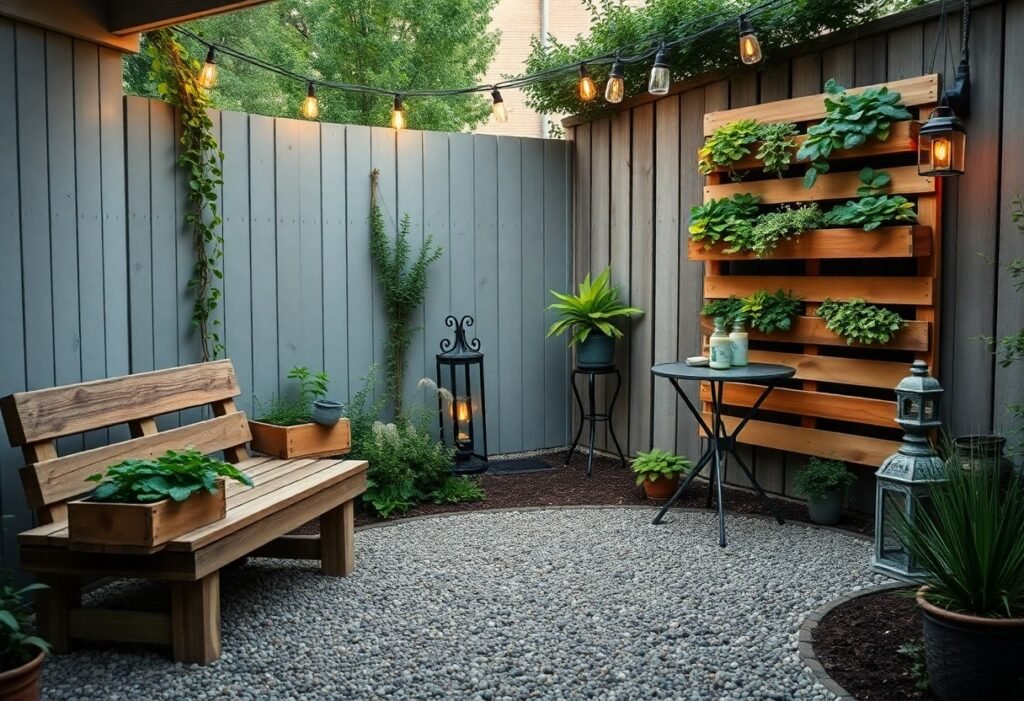
This backyard transformation begins with smart planning, not deep pockets. You can create an inviting outdoor space by focusing on design efficiency, resourcefulness, and phased improvements. A mid-sized SaaS firm might invest in office aesthetics, but your home’s appeal starts right outside the back door-where thoughtful choices make the biggest impact.
Assessing Your Space and Budgetary Constraints
Evaluating Environmental Factors and Soil Quality
Begin by observing how sunlight moves across your yard throughout the day. Some areas may receive full sun while others stay shaded, directly influencing which plants will thrive. Check for existing drainage patterns after rainfall; pooling water indicates poor runoff that may require regrading or permeable solutions. Test your soil’s texture and composition by hand or with a home kit to determine if amendments like compost or sand are needed.
- Full sun areas support vegetables and most flowering perennials
- Clay-heavy soil benefits from organic matter to improve aeration
- North-facing zones often stay cooler and shadier, favoring ferns or hostas
This foundational assessment prevents costly mistakes and guides plant selection aligned with your yard’s natural conditions.
Establishing a Realistic Financial Plan
Map out all potential expenses, from soil amendments and plants to tools and irrigation components. Prioritize purchases that deliver long-term value, such as a durable hose or perennial plants, over disposable decor. Allocate a small portion of the budget-around 10 to 15 percent-for unexpected costs like replacing a failed plant or adjusting layout plans.
Break the project into phases, starting with important groundwork before adding decorative elements. A mid-sized SaaS firm might budget quarterly for office upgrades, and you can apply a similar incremental approach to your yard. This ensures steady progress without financial strain, letting you complete the space over one to two growing seasons.
How to Design a Low-Cost Functional Layout
Defining Activity Zones for Maximum Utility
Start by identifying how you intend to use the space, whether for dining, lounging, gardening, or play. Divide the yard into distinct zones using low-cost markers like changes in ground cover or simple borders made from reclaimed bricks or logs. A mid-sized SaaS firm’s employee in Portland transformed a 200-square-foot yard into separate areas for morning coffee, container gardening, and evening gatherings using only pea gravel and railroad ties.
Each zone should serve a clear purpose while maintaining easy access between them. Position the dining area near the kitchen door for convenience, and place seating where it captures afternoon shade. Pathways made from stepping stones or mulch strips guide movement without costly installations, ensuring functionality remains high without straining your budget.
Creating Visual Depth with Vertical Elements
Vertical structures expand usable space and create the illusion of a larger yard. Install a simple trellis along a fence and train climbing beans or ivy to cover it over time. A homeowner in Austin used salvaged pallet wood to build a 6-foot arbor, reducing material costs while adding height and dimension to a narrow backyard.
Wall-mounted planters or hanging baskets free up ground space and draw the eye upward. Position taller elements like obelisks or vertical gardens at the back or corners to avoid blocking light. Even a modest 4-foot-tall bamboo screen can segment a space and add lushness without requiring extensive square footage.
Consider repurposing old ladders or metal grates as plant supports. These items often appear in salvage yards or online marketplaces at minimal cost and contribute both structure and character. A galvanized pipe frame painted black and draped with fast-growing clematis doubled as art and greenery in a Brooklyn courtyard, proving that vertical interest doesn’t require expensive materials or complex construction.
Sustainable Planting Tips for Minimal Spending
Choosing the right plants significantly reduces long-term costs and labor. Focus on species that thrive in your local climate without excessive watering or fertilization. Grouping plants with similar needs conserves resources and simplifies care. Mulching garden beds with compost or shredded leaves retains moisture and suppresses weeds naturally.
- Select drought-tolerant varieties to reduce irrigation needs
- Use organic kitchen scraps for homemade compost
- Plant in clusters to minimize bare soil and erosion
- Rotate seasonal crops to maintain soil health
Recognizing that sustainability cuts both environmental and financial costs, smart planting becomes an investment in your yard’s future resilience.
Prioritizing Native Species and Perennials
Native plants are naturally adapted to your region’s soil, rainfall, and temperature patterns, requiring little intervention once established. A mid-sized SaaS firm employee in Portland transformed her compact yard using only Pacific Northwest natives like Oregon grape and red flowering currant, cutting maintenance time by half. Perennials such as coneflower and black-eyed Susan return each year, eliminating the need for annual replanting.
These choices reduce dependency on fertilizers and pesticides, supporting local pollinators while keeping costs low over multiple growing seasons.
How to Propagate Plants for Free Growth
Propagation allows you to expand your garden without purchasing new plants. Many perennials like hostas and daylilies can be divided in early spring or fall, yielding multiple plants from one. Herbs such as mint and basil often root easily in water when cut just below a node.
Sharing cuttings with neighbors or joining local plant swaps multiplies variety at no cost.
Rooting stem cuttings in moist potting mix works well for plants like coleus and lavender, with visible growth often appearing within three weeks under indirect light. Layering, where a low branch is bent to the ground and covered with soil while still attached to the parent plant, is effective for shrubs like jasmine or honeysuckle. This method ensures a higher success rate than cuttings since the new plant remains nourished during root development. Recognizing which species respond best to each technique improves outcomes and reduces wasted effort.
Affordable Hardscaping and Upcycling Techniques
Reclaimed brick, salvaged pavers, and repurposed stone can define walkways and seating areas without the cost of new materials. A local demolition site or architectural salvage yard may offer durable options at a fraction of retail prices. Gravel and crushed stone remain among the most budget-friendly surfacing choices, especially when sourced locally. Simple geometric layouts reduce cutting and labor, keeping installation manageable for weekend projects.
Utilizing Reclaimed Materials for Pathways
Old concrete slabs split into stepping stones create an organic path when set in gravel or moss. Salvaged railway ties, though requiring safe handling, can border garden edges or support low retaining walls. Brick from discarded patios, laid in a herringbone pattern, adds timeless texture. A mid-sized SaaS firm’s office courtyard used decommissioned factory tiles for a patchwork walkway, blending industrial charm with low cost.
- Use broken concrete pieces for informal flagstone-style paths
- Line edges with salvaged cobblestones or wine bottles buried upright
- Fill gaps between stones with creeping thyme or sand for stability
This approach cuts material costs while giving discarded items a functional second life.
Tips for Refurbishing Second-Hand Outdoor Furniture
Thrift stores, estate sales, and online marketplaces often list solid wood or metal frames at steep discounts. Sanding down rusted metal chairs and applying a fresh coat of exterior-grade paint restores both durability and style. Replacing faded cushions with outdoor fabric from remnant bins keeps seating comfortable. Wicker pieces with intact frames only need new weave inserts, which are simpler to install than rebuilding from scratch.
- Strip old finishes with a wire brush or chemical remover before priming
- Use rust-inhibiting spray paint for metal frames exposed to moisture
- Reinforce loose joints with waterproof wood glue and clamps
This process transforms worn pieces into durable, cohesive seating that matches your backyard’s aesthetic.
Strategic Lighting and Decor Enhancements
Incorporating Cost-Effective Solar Solutions
String lights powered by solar energy offer an efficient way to brighten pathways and seating areas without raising electricity bills. A mid-sized SaaS firm transformed its employee courtyard using only solar-powered lanterns and stake lights, achieving a warm ambiance for after-hours gatherings. These systems require no wiring and install in minutes, making them ideal for renters or temporary setups. Panels charge during daylight, providing up to eight hours of illumination depending on exposure.
Adding Texture with Budget-Friendly Textiles
Outdoor cushions in fade-resistant fabric instantly refresh weathered furniture. Choose removable covers in bold patterns to create visual interest without permanent changes. Thrift stores often carry gently used pieces that can be cleaned and re-dyed for a fraction of retail cost. A single set of patterned throw pillows layered over neutral seating can define a conversation area near a repurposed fire pit.
Woven rugs made from synthetic fibers withstand moisture and add definition to seating zones. Look for indoor-outdoor options on clearance at home goods stores or online marketplaces. Layering a textured rug under a secondhand bistro set creates a grounded, intentional feel. Pair with a folded cotton blanket in a woven basket for a touch of comfort during cooler evenings.
Seasonal Maintenance for Long-Term Value
Implementing Water-Saving Irrigation Methods
Watering deeply but infrequently encourages roots to grow downward, making plants more resilient during dry spells. A simple drip irrigation system made from recycled soda bottles or soaker hoses laid along plant bases delivers moisture directly to the soil, reducing evaporation. You can install timers on outdoor faucets to maintain consistency without overuse, especially during early morning hours when wind and heat are minimal.
Natural Fertilization and Mulching Practices
Compost made from kitchen scraps and yard clippings enriches soil structure while reducing the need for store-bought fertilizers. Apply a two-inch layer around plant bases to suppress weeds and retain moisture. Grass clippings, shredded leaves, or straw serve as accessible mulch materials that break down over time, feeding the soil naturally.
Leaving fallen leaves in garden beds over winter protects soil biology and adds organic matter by spring. A mid-sized SaaS firm’s employee garden in Portland demonstrated improved soil texture after two seasons of leaf mulching, with noticeable reductions in both watering frequency and weed pressure. You can chop larger leaves with a mower to speed decomposition and prevent matting.
Conclusion
Planning a beautiful backyard on a small budget requires thoughtful choices, not expensive materials. You can achieve an inviting outdoor space by prioritizing functionality, reusing existing items, and selecting hardy, low-maintenance plants that thrive in your local conditions. A mid-sized SaaS firm’s employee transformed their 200-square-foot urban yard using repurposed pallet furniture, native perennials, and solar path lights, spending under $300.
Your design gains character through consistency and personal touches, not high costs. Simple gravel paths, container gardens, and painted masonry blocks define zones without breaking the bank. Over time, self-propagated greenery and seasonal composting improve soil and reduce replacement needs. The result is a backyard that feels intentional, sustainable, and uniquely yours.