
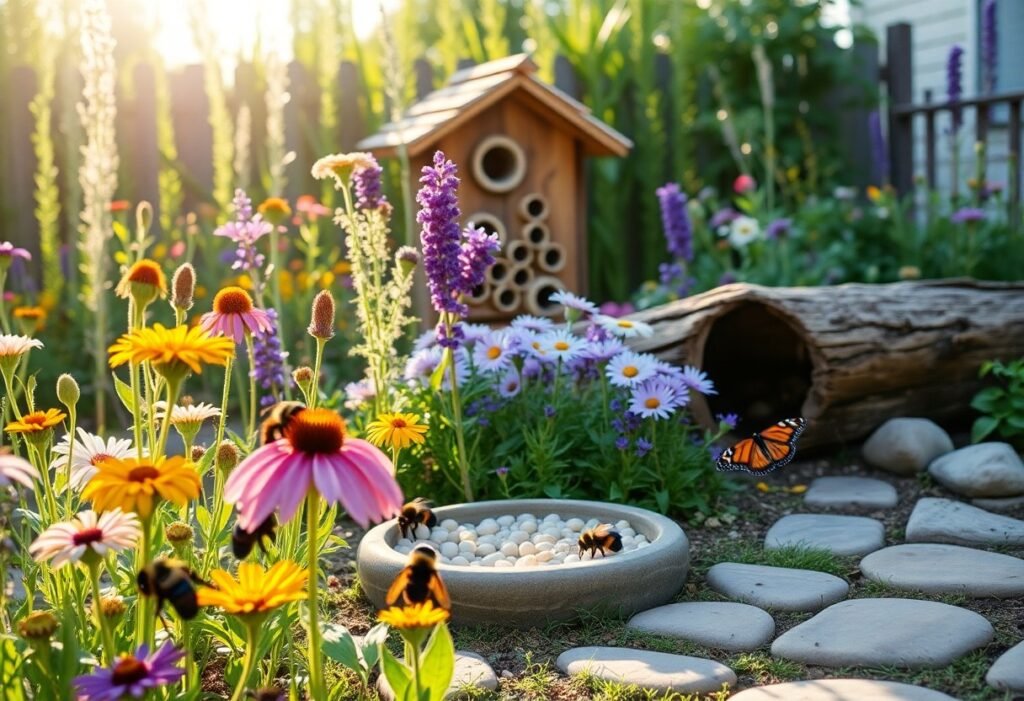
There’s a quiet urgency in the hum of bees and flutter of butterfly wings, a sign of life that sustains much of what we grow and eat. You can transform your backyard into a living sanctuary that supports these crucial pollinators by making intentional choices about plants, layout, and care practices. This guide walks you through each step to build a garden that thrives with biodiversity and purpose.
Analyzing Site Factors for Optimal Growth
Understanding your garden’s physical conditions shapes the success of pollinator habitats. Sun exposure, wind patterns, and soil composition directly influence plant health and pollinator activity. A site receiving at least six hours of direct sunlight supports most native flowering species preferred by bees and butterflies. Sheltered areas, protected by fences or hedges, reduce wind stress on delicate blooms and visiting insects.
- Observe sunlight patterns across seasons
- Note prevailing wind directions
- Identify microclimates within the yard
- Map areas with standing water or rapid drying
Perceiving subtle environmental shifts helps align plant choices with natural site advantages.
Evaluating Sun Exposure and Wind Protection
Full sun areas attract sun-loving plants like coneflowers and black-eyed Susans, which draw in a wide range of pollinators. Partial shade zones suit species such as beardtongue or wild columbine, offering habitat diversity. Windbreaks from shrubs or trellises minimize flower damage and create calmer foraging conditions. Position plants according to daily light shifts, not just morning or afternoon snapshots.
South-facing spots in the Northern Hemisphere typically receive the most consistent light, supporting the highest bloom productivity.
Testing Soil Quality and Drainage Capability
Soil texture affects root development and water retention, influencing plant resilience. Conduct a simple squeeze test to identify sandy, clay, or loamy composition. Check drainage by digging a hole, filling it with water, and observing how quickly it empties. Poor drainage may require raised beds or moisture-tolerant species like Joe-Pye weed.
Perceiving how water moves through your soil determines long-term plant survival and bloom consistency.
A mid-sized SaaS firm managing a campus garden noticed improved pollinator visits after replacing compacted clay soil with native loam blends and adjusting plant groupings accordingly. Soil that drains within a few hours supports most pollinator-friendly perennials without root rot. Organic matter, such as compost, enhances microbial activity and nutrient availability, promoting stronger flowering cycles.
How to Curate a Native Plant Palette
Prioritizing Species for Local Pollinator Needs
Select plants that align with the foraging preferences of pollinators native to your region. A mid-sized SaaS firm in the Pacific Northwest found stronger bee activity near gardens featuring camas, yarrow, and goldenrod over non-native ornamentals. Match plant traits like flower shape and color to the pollinators you aim to support, such as tubular blooms for hummingbirds or flat-topped clusters for hoverflies.
Local ecotype seed sources often perform better in garden settings due to genetic adaptation. Nurseries specializing in regional native stock can provide species like milkweed for monarchs or wild bergamot for bumblebees. Observing which plants attract pollinators in nearby natural areas offers practical insight into effective species selection.
Coordinating Bloom Cycles for Year-Round Foraging
Stagger flowering periods to ensure nectar and pollen availability from early spring through fall. Include species like red maple for early blooms, black-eyed Susan for midsummer, and New England aster for late-season forage. This continuity supports pollinators during critical life stages, especially queen bees emerging in spring.
Evergreen perennials and seed heads left standing over winter add structure and shelter. Plants such as little bluestem and coneflower provide cover for overwintering insects while supporting birds. A garden with overlapping bloom times reduces foraging stress and increases pollinator residency.
Monitor bloom sequences over multiple seasons to identify gaps. Adjust plant groupings by adding early-flowering species like pasque flower or extending fall interest with frost aster. Consistent observation reveals which combinations sustain the most consistent pollinator traffic year after year.
Design Tips for Strategic Habitat Layers
Layering your garden vertically mimics natural ecosystems and supports a broader range of pollinators. Position tall canopy trees like oaks or maples at the back, followed by understory trees such as serviceberry, then shrubs like buttonbush, and finally herbaceous perennials including coneflower and milkweed. This tiered arrangement provides shelter, nesting sites, and varied foraging heights. Include plants with different bloom times across seasons to sustain activity year-round. Assume that
- every layer contributes to microhabitat diversity
- overlapping foliage reduces weed growth and moisture loss
- native grasses at ground level protect beneficial insect larvae
Installing Water Sources and Puddling Stations
Shallow water sources attract bees, butterflies, and other pollinators needing hydration. Use a birdbath with stones protruding above the waterline to give insects safe landing spots. Place it in partial sun to prevent algae overgrowth while maintaining accessibility. A dedicated puddling station-created with a shallow dish filled with damp sand and a pinch of salt-draws male butterflies seeking minerals. Keep the area consistently moist but not flooded.
Constructing Nesting Sites and Overwintering Shelters
Bumblebees often nest in abandoned rodent burrows beneath leaf litter, while mason bees prefer hollow stems or drilled blocks of wood. Leave patches of bare, undisturbed soil for ground-nesting species and stack bundles of bamboo or reeds in a sheltered frame for cavity nesters. In autumn, delay cutting back dead plant stems until spring to protect overwintering larvae inside. Assume that
Leaving hollow stems standing through winter shelters mason bee cocoons, a practice observed in habitat gardens from Portland to Pittsburgh. A mid-sized SaaS firm’s campus garden in Boulder retained native bunchgrasses and saw a marked increase in solitary bee activity the following season. Stack wooden blocks with holes of varying diameters on a south-facing post to maximize sun exposure and nesting success.
How to Manage the Garden Without Chemicals
Utilizing Integrated Pest Management Strategies
Observation forms the foundation of effective pest control without chemicals. Inspect plant leaves, stems, and soil weekly to detect early signs of aphids, mites, or fungal spots. Introduce beneficial insects like lady beetles or lacewings, which naturally reduce pest populations. A mid-sized SaaS firm managing a demonstration garden in Portland reported a 60% drop in aphid infestations within three weeks of releasing lady beetles. Rotate plant locations annually to disrupt pest life cycles and reduce soil-borne diseases.
Physical barriers and traps offer targeted solutions when pests appear. Use floating row covers to shield young seedlings from cabbage moths or install copper tape to deter slugs. Sticky traps in yellow or blue help monitor flying insects without harming bees. Hand-pick larger pests like Japanese beetles in the early morning when they are less active. This method reduces reliance on sprays while maintaining ecological balance.
Adopting Pollinator-Safe Seasonal Cleanup Methods
Delay fall cleanup until spring to protect overwintering bees and beneficial insects. Leave perennial stems standing at 12 to 18 inches tall, as hollow or pithy stems shelter native bee species like mason bees. Avoid raking every leaf; instead, allow leaf litter to decompose in garden beds, providing habitat for moth pupae and ground beetles. A community garden in Ann Arbor found that plots with late-spring cleanup hosted twice as many native bee species by midsummer.
When trimming in spring, cut stems at varying heights to accommodate different bee species. Use hand pruners instead of leaf blowers, which can destroy dormant cocoons. Remove only diseased plant material and dispose of it off-site to prevent fungal spread. Compost healthy clippings to return nutrients to the soil without disturbing insect habitats. This approach supports pollinator life cycles while maintaining garden health.
Leaving seed heads intact through winter benefits both birds and pollinators. Goldfinches feed on coneflower seeds while metallic sweat bees shelter in the base of the stalks. Cutting back too early eliminates these food and shelter sources. Wait until new growth emerges at the soil line, signaling it is safe to remove old biomass without disrupting emerging insects.
Key Factors for Enhancing Species Variety
To support a broader range of pollinators, focus on extending bloom times and varying plant forms. A garden with flowers opening from early spring to late fall sustains bees, butterflies, and hoverflies through their life cycles. Include species that thrive in your soil and light conditions, ensuring consistent growth without excessive intervention. Plant density also influences diversity-tight groupings of perennials create microhabitats that attract specialized insects.
- Select flowers in shades of blue, purple, and yellow-they most strongly attract bees
- Include tubular blooms for hummingbirds and long-tongued bees
- Use flat-topped clusters like yarrow or goldenrod to support beneficial wasps and beetles
- Incorporate night-blooming plants to engage moths and other nocturnal pollinators
Knowing which species co-evolved with local pollinators increases the likelihood of sustained visitation and reproduction.
Diversifying Floral Shapes and Color Spectrums
Floral structure determines which pollinators can access nectar and pollen. Bell-shaped flowers like campanula suit bumblebees, while open saucers such as coneflower welcome short-tongued insects. Butterflies prefer wide landing platforms, whereas hummingbirds hover at narrow, nectar-rich tubes. Grouping plants by bloom shape helps pollinators forage efficiently, increasing visit frequency.
Color plays a guiding role-bees detect ultraviolet patterns and favor blue and yellow, while red strongly attracts hummingbirds but is nearly invisible to most bees. Including a spectrum of hues across the growing season maintains visual cues for returning visitors. A mid-sized SaaS firm redesigned its campus garden with color zoning and saw a measurable rise in pollinator traffic within one season.
Incorporating Vertical Structure with Woody Plants
Shrubs and small trees create necessary shelter and nesting sites for pollinators. Serviceberry, elderberry, and buttonbush bloom early and support dozens of native bee species. Their dense branching patterns offer protection from wind and predators, increasing pollinator residency. Layering woody plants with perennials builds a complete habitat, not just a food source.
Even in compact yards, a single native shrub can host hundreds of insect interactions over a season. Position these plants where they won’t shade out sun-loving ground layers, and allow leaf litter to accumulate beneath them. This mimics natural forest edges and supports ground-nesting bees.
Woody perennials like New Jersey tea or chokecherry provide both nectar and host functions, supporting caterpillars of specific butterfly species. Their deep root systems improve soil structure and moisture retention, benefiting surrounding plants. Over time, these shrubs form stable cores within the garden, reducing maintenance while increasing ecological value. Knowing their long-term role helps in spacing and companion planting decisions.
Summing up
Creating a pollinator friendly backyard garden begins with aligning plant choices to your local ecosystem, ensuring blooms span the entire growing season. You provide consistent forage by selecting native species that support bees, butterflies, and beneficial insects from early spring to late fall.
Your garden becomes a functional habitat when layered with ground covers, shrubs, and flowering perennials, avoiding pesticides and incorporating bare soil and mulch alternatives for nesting sites. A mid-sized SaaS firm in Oregon replaced its turf lawn with native yarrow, goldenrod, and milkweed, observing a measurable increase in monarch butterfly visits within one season.