
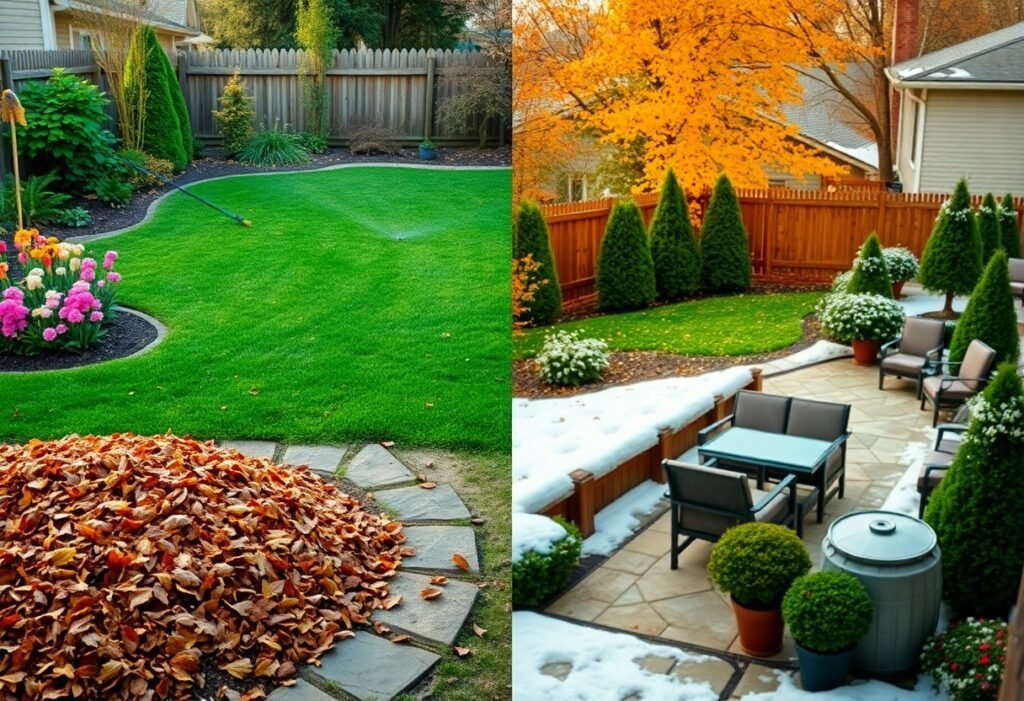
This seasonal rhythm of your backyard demands consistent attention, not just occasional cleanup. You can maintain a vibrant, usable outdoor space all year by aligning care routines with changing weather, plant cycles, and usage patterns. A well-kept yard reflects effort applied at the right time, not constant labor.
Key Factors Influencing Year-Round Curb Appeal
Your backyard’s lasting beauty depends on more than seasonal cleanups. Soil health, climate compatibility, and consistent care form the foundation of sustained visual appeal. A landscape thriving in spring may falter by autumn without attention to underlying conditions. Selecting plants suited to your environment reduces long-term effort and improves resilience.
- Assess sunlight exposure across seasons
- Match plant types to local rainfall patterns
- Test soil pH annually for nutrient balance
- Choose perennials aligned with your hardiness zone
Any oversight in these core areas can lead to patchy growth, plant loss, or increased maintenance demands.
Evaluating Soil Quality and Nutrient Density
Soil serves as the life support system for every plant in your yard. A mid-sized SaaS firm might rely on data analytics, but your garden depends on mineral balance, organic content, and proper drainage. Conduct a simple texture test by squeezing a damp handful; sandy soil crumbles, while clay holds shape tightly. Poor structure limits root development and water retention.
Organic matter like compost improves fertility and microbial activity. Any nutrient-deficient soil will require amendments tailored to your plants’ needs, not generic fertilizers.
Understanding Regional Climate and Hardiness Zones
Hardiness zones, defined by average annual minimum temperatures, guide which perennials survive winter in your area. The USDA map divides North America into 13 zones, each differing by 10°F. Planting outside your zone often results in winterkill or stunted growth. Microclimates within your yard, such as south-facing walls or shaded corners, can shift conditions slightly.
Spring bloomers like crocus may emerge earlier in urban zones due to heat retention from pavement and structures. Any planting decision should account for both macro and micro climate influences to ensure longevity.
Zone 6 gardeners, for example, can grow lavender and black-eyed Susans with minimal protection, while similar plants in zone 5 may need mulch cover or sheltered placement to survive colder winters.
How to Implement a Professional Lawn Maintenance Schedule
Mastering Seasonal Mowing and Aeration Techniques
Adjust your mowing height with the seasons to support grass health and root development. In spring and fall, keep cool-season grasses slightly taller to shade out weeds and retain moisture. During summer, raise the deck further to reduce stress on the lawn. Aeration every late summer or early fall allows oxygen and water to reach deeper roots, especially in compacted soils.
Core aeration removes small soil plugs, improving drainage and reducing thatch buildup over time. For warm-season grasses like Bermuda or Zoysia, time aeration after spring green-up when the lawn is actively growing. Pair this with overseeding if thinning occurs, using a plug spacing of 2 to 3 inches for optimal coverage.
Developing a Precision Fertilization Plan
Soil testing identifies nutrient gaps and prevents over-application of nitrogen or phosphorus. Apply slow-release granular fertilizer in spring and fall based on your grass type and regional climate patterns. Cool-season lawns benefit from a heavy fall feeding, while warm-season varieties respond best to early summer applications.
Split annual fertilizer applications into three or four intervals to maintain steady growth without runoff. A mid-sized SaaS firm with a 10,000 sq ft lawn might use a 16-4-8 blend in early spring, followed by a low-nitrogen formula in late summer to avoid stress. Organic options like composted manure or feather meal offer gradual nutrient release and improve soil structure over time.
Timing and formulation depend on your soil’s pH and existing composition. For instance, a lawn with high clay content may require more frequent iron applications to prevent chlorosis. Use a broadcast spreader for even distribution, and water lightly after application to activate the product without leaching. Avoid fertilizing before heavy rain to minimize environmental impact.
Expert Tips for Selecting and Caring for Perennial Plants
Perennial plants offer lasting structure and recurring beauty when chosen and maintained with intention. Select varieties known for resilience in your climate zone, such as coneflowers or black-eyed Susans in temperate regions, to reduce replacement needs. Group plants with similar sunlight and moisture requirements to simplify care. A well-planned perennial bed can return reliably for five to ten years or more with minimal intervention.
- Choose a mix of early, mid, and late-season bloomers for consistent color
- Incorporate foliage plants like hostas or ornamental grasses for texture
- Label each plant at installation to track growth patterns and care needs
- Apply organic mulch annually to regulate soil temperature and suppress weeds
The right combination supports pollinators and reduces maintenance over time.
Choosing Species for Continuous Seasonal Interest
Spring-blooming bulbs like tulips give way to summer-flowering daylilies, while asters and sedum extend color into fall. Integrate evergreen perennials such as hellebores to maintain visual presence during winter dormancy. Succession planting ensures your garden never appears bare or monotonous. A mid-sized SaaS firm with a landscaped courtyard, for example, reported higher employee satisfaction after introducing seasonal perennials.
The layered bloom cycle sustains aesthetic appeal and ecological function across all months.
Strategic Pruning for Long-Term Plant Health
Timing matters when shaping perennials; prune spring bloomers right after flowering to preserve next year’s buds. Cut back dormant plants like ornamental grasses in late winter before new shoots emerge. Use clean, sharp shears to prevent disease transmission and make angled cuts above outward-facing nodes. Over-pruning can weaken root systems and delay flowering.
The health of your plants depends on precision, not frequency, of cuts.
Removing spent blooms and thinning crowded stems improves air circulation and reduces fungal risk. For plants like Russian sage or hardy geraniums, a mid-season trim encourages bushier growth and a second flush of flowers. Avoid cutting into old wood on species that do not readily regenerate from bare stems. The practice extends vigor and bloom duration without stressing the plant.
Protecting Hardscape and Outdoor Furniture
Weatherproofing Wood, Stone, and Metal Surfaces
Wooden decks and furniture benefit from an annual sealant application, ideally in late spring before peak sun exposure. Unsealed wood absorbs moisture, leading to warping and splintering over time. Stone pathways and patios should be cleaned with a pH-neutral solution to avoid etching, especially on softer stones like limestone. Metal fixtures, including railings and light posts, resist rust longer when coated with a protective wax or clear enamel finish every two years.
Proper Storage and Covering for Winter Protection
Fabric-covered patio furniture invites mold if left uncovered during wet months. Invest in breathable, waterproof covers that allow moisture to escape while blocking rain and snow. Lightweight pieces like aluminum chairs and side tables should be stored in a shed or garage to prevent wind damage. A mid-sized SaaS firm’s outdoor lounge area remained intact for seven seasons by rotating covers monthly and inspecting seams.
Storing cushions indoors preserves their shape and color, particularly those with foam cores that retain water. Even UV-resistant fabrics degrade faster when exposed to freezing and thawing cycles. For larger items that can’t be moved, elevated covers with rounded tops prevent snow accumulation and reduce strain on frame joints. Metal frames last longer when wiped down before storage to remove salt residue from nearby roadways.
How to Optimize Your Backyard Irrigation System
Installing Smart Watering Technology for Efficiency
Smart irrigation controllers adjust watering schedules based on local weather data, soil moisture, and plant needs. A mid-sized SaaS firm in Austin reduced outdoor water use by integrating Wi-Fi-enabled timers that pause irrigation during rain.
These systems connect to mobile apps, letting you monitor usage and override settings remotely. Sensors detect leaks or blockages, alerting you to issues before damage occurs.
Utilizing Mulch to Regulate Soil Temperature and Moisture
Organic mulch like shredded bark or straw insulates soil, reducing evaporation and temperature swings. A garden in Portland maintained consistent moisture levels through summer heat by applying a 3-inch layer around shrubs and flower beds.
As mulch breaks down, it enriches the soil with nutrients, improving structure and microbial activity. This natural decomposition supports deeper root development in perennials and reduces reliance on synthetic fertilizers.
| Mulch Type | Best Use Case |
| Shredded bark | Sloped areas, shrub beds |
| Straw | Vegetable gardens, seasonal coverage |
| Wood chips | Tree rings, pathways |
| Compost | Nutrient-boosting top dressing |
Applying mulch correctly enhances both water retention and plant health. Keep it a few inches away from plant stems and tree trunks to prevent rot and pest infestations. A well-mulched bed in a suburban Maryland landscape reduced watering frequency by nearly half during peak summer months. Over time, replenish decomposed material to maintain optimal thickness and performance.
| Application Tip | Benefit |
| 3-inch depth | Effective moisture retention |
| Leave 2-inch gap around stems | Prevents fungal growth |
| Reapply annually | Ensures continuous soil protection |
| Use organic types | Improves long-term soil fertility |
Proactive Pest and Weed Management Strategies
Identifying and Treating Common Garden Pests
Aphids, spider mites, and Japanese beetles frequently target backyard plants, especially during warm months. Inspect leaf undersides and stem joints weekly, as early detection prevents widespread damage. Introduce beneficial insects like ladybugs or apply insecticidal soap at the first sign of infestation. A mid-sized SaaS firm managing its campus landscaping reduced pest outbreaks by 40% after adopting routine scouting and biological controls.
Slugs and snails thrive in damp environments, often attacking hostas and lettuce. Place beer traps or diatomaceous earth around vulnerable plants to deter them. For persistent caterpillar issues, use Bacillus thuringiensis (Bt), a naturally occurring soil bacterium effective against larvae.
Implementing Pre-Emergent Weed Control Solutions
Pre-emergent herbicides form a chemical barrier that stops weed seeds from germinating, particularly effective against crabgrass and goosegrass. Apply in early spring before soil temperatures reach 55°F, typically when forsythia blooms fade. Timing matters-too early or after germination reduces effectiveness.
Granular formulations offer even distribution and are activated by irrigation or rainfall. Corn gluten meal, an organic alternative, suppresses weeds while adding nitrogen to the soil. Reapplication every six to eight weeks maintains the barrier through peak seed dispersal periods.
Consistent application prevents thousands of weed seeds from establishing each season. Lawns treated with pre-emergent controls in both spring and fall maintain 70% less weed coverage compared to untreated areas, preserving aesthetic uniformity and reducing hand-weeding labor.
Conclusion
Your backyard’s year-round appeal depends on consistent care tailored to seasonal shifts. By following a structured maintenance routine, choosing resilient perennials like lavender or black-eyed Susan, and adjusting irrigation to match rainfall patterns, you sustain both plant health and visual cohesion. A mid-sized SaaS firm managing its campus landscaping found that scheduled edging, mulching, and furniture inspections reduced upkeep costs by streamlining labor.
You preserve aesthetic quality by addressing pests early, cleaning hardscapes before winter, and storing cushions promptly after summer. Rotating plant groupings every few years prevents soil depletion and refreshes the layout without full redesigns. These practices, applied steadily, result in a backyard that remains functional and inviting in every season.