
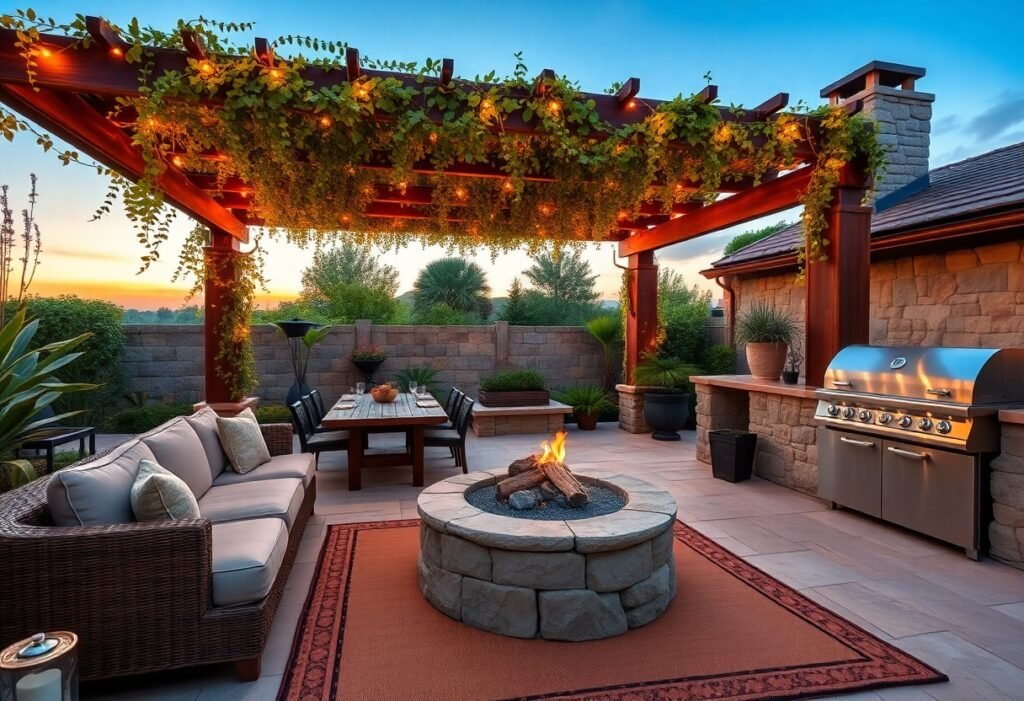
Most families underestimate how much a well-designed backyard can enhance everyday life, turning ordinary moments into lasting memories. You can shape your outdoor area into a retreat that welcomes conversation, relaxation, and shared meals. A mid-sized SaaS firm recently transformed their office patio into a functional, inviting space using simple design principles anyone can apply. Your environment influences mood and connection, and with thoughtful planning, your yard can become a natural extension of your home’s warmth.
Assessing Essential Factors for Design
Understanding your outdoor space begins with evaluating its physical and environmental conditions. Consider the primary purpose of the area, whether for dining, lounging, or play, and how many people it should accommodate. Soil type, drainage patterns, and proximity to your home’s entry points influence both layout and material choices. Any design decision should align with how your household actually uses outdoor areas.
- Define the main activities the space will support
- Measure total square footage and note fixed structures
- Identify access points from the house and yard boundaries
- Assess existing vegetation and utility lines
Evaluating Land Topography and Size
Land contours directly affect usability and construction needs. A sloped yard may require terracing or retaining walls to create level zones for seating or dining. Flat areas offer more flexibility but still need subtle grading to prevent water pooling. The available square footage determines how many distinct zones you can include, such as a fire pit corner or a play section for children. A mid-sized suburban backyard, for instance, often fits a central lounge area and a compact dining setup without overcrowding.
Analyzing Sun Exposure and Wind Patterns
Sunlight duration varies across the yard, creating microclimates that affect comfort and plant viability. Observe how light moves from morning to evening, noting full-sun zones ideal for seating and shaded spots better suited for dining or reading. Wind flow impacts everything from umbrella stability to fire pit usability. Placing windbreaks like hedges or lattice panels in prevailing wind paths improves comfort. A west-facing patio, for example, may receive intense afternoon heat, requiring shade structures or heat-reflective materials.
Tracking sun and wind over several days reveals consistent patterns that inform furniture placement and shelter design. Morning sun warms east-side nooks, making them ideal for coffee corners, while afternoon shade from trees or pergolas keeps conversation areas cool. Prevailing winds in many temperate regions come from the southwest, so positioning a tall planter or bamboo screen on that side reduces gusts without blocking views. Any adjustment based on these patterns enhances both comfort and usability throughout the seasons.
Selecting High-Quality Outdoor Furniture
High-quality outdoor furniture supports both comfort and longevity, especially when chosen with your climate and usage in mind. Materials like powder-coated aluminum, teak, and all-weather wicker resist moisture, UV damage, and temperature shifts. A mid-sized SaaS firm’s backyard retreat in Portland, for example, uses modular seating with marine-grade cushions to endure frequent rain while maintaining clean lines. Invest in pieces with removable covers or easy-clean fabrics to simplify maintenance over time.
How to Choose Durable, Weatherproof Materials
Material selection directly affects how well furniture withstands seasonal changes. Teak ages gracefully outdoors, developing a silvery patina without compromising structural integrity. Powder-coated steel frames resist rust better than untreated iron, especially in coastal areas where salt air accelerates corrosion. Synthetic resins mimic wood grain but won’t splinter or fade after prolonged sun exposure. Always check for tight weave in cushion fabrics to prevent mold buildup during damp months.
Tips for Arranging Seating to Promote Conversation
Position seats to face one another within a six-foot diameter, creating an intimate zone ideal for easy dialogue. Avoid pushing all furniture against walls, which can make guests feel isolated. Instead, float groupings in the center of the space to define areas naturally. After arranging, test sightlines by sitting in each seat to ensure unobstructed eye contact.
- Use L-shaped or U-shaped layouts to encourage interaction
- Include a central element like a coffee table to anchor the arrangement
- Angle chairs slightly rather than placing them directly opposite
- Leave at least 18 inches between seating and adjacent surfaces for movement
After verifying flow and comfort, adjust spacing based on how people naturally gather during use.
Implementing Effective Lighting Strategies
Factors for Choosing Ambient and Task Lighting
Lighting shapes both mood and function in outdoor areas. Ambient lighting provides overall illumination, often through soft glows from string lights, lanterns, or low-level fixtures, creating a welcoming atmosphere for conversation. Task lighting, in contrast, supports specific activities like grilling or reading, requiring brighter, focused beams near surfaces such as countertops or seating nooks. Consider fixture height, beam spread, and color temperature when balancing these types. After selecting options that align with your usage patterns and aesthetic, placement becomes key to avoiding glare and dark zones.
How to Install Energy-Efficient LED Solutions
LED lighting consumes less power and lasts significantly longer than traditional bulbs, making it ideal for permanent outdoor installations. Opt for fixtures with integrated LEDs or standardized bases compatible with outdoor-rated LED bulbs. Position lights along pathways, near steps, or beneath railings to enhance safety without overwhelming the space. Choose warm white tones (2700K-3000K) to maintain a cozy feel. After mapping out key zones, connect lights to a central timer or smart controller to automate operation and reduce energy waste.
Installing LED systems requires attention to voltage drop over long runs, especially with low-voltage setups. Use 12-gauge wire for runs over 50 feet to maintain consistent brightness. Waterproof connectors and UL-listed junction boxes protect connections from moisture. A mid-sized SaaS firm reduced its landscape lighting energy use by switching to 12V LED tape under deck overhangs, controlled via motion-sensing relays.
Creating Privacy and Natural Comfort
Tips for Using Strategic Greenery and Fencing
Planting tall shrubs like laurel or bamboo along property lines creates a living screen that grows denser over time. A well-placed wooden lattice fence topped with climbing vines adds both height and texture while allowing air flow. Hedges such as boxwood or privet offer year-round coverage when maintained properly. Any
- install trellises with jasmine or clematis near seating zones for fragrance and coverage
- use potted ornamental grasses to define spaces without permanent structures
- position fencing at angles to break sightlines from neighboring homes
How to Integrate Water Features for Relaxation
A small recirculating fountain made of natural stone introduces the sound of flowing water without requiring a pond. The gentle trickle masks urban noise and encourages quiet conversation. Pre-formed basalt bowls or copper urns work well in compact areas and connect visually with surrounding plant life. Any
Adding a wall-mounted water panel beside a seating nook enhances serenity without consuming floor space, especially when surrounded by moisture-tolerant ferns and hostas.
Optimizing the Dining and Social Areas
Comfortable seating arrangements directly influence how often your outdoor space gets used for gatherings. Arrange chairs and tables to encourage conversation, ensuring enough clearance for movement around the dining set. A mid-sized SaaS firm hosting client dinners found that U-shaped layouts increased guest interaction more than linear setups.
Factors for Designing a Functional Outdoor Kitchen
- Position the cooking zone downwind to avoid smoke drifting into seating areas
- Include a sink with running water for easy cleanup
- Install ample counter space adjacent to the grill
- Use weather-resistant cabinetry for utensil and supply storage
Recognizing local climate patterns helps determine whether to enclose the kitchen partially with glass panels or leave it open for airflow.
How to Select the Ideal Fire Pit or Hearth
A fire pit extends outdoor usability into cooler months, serving as both a heat source and a visual anchor. Choose between gas and wood-burning models based on maintenance preferences and local regulations. Wood pits offer a traditional crackle and scent, while gas versions light instantly and produce no ash.
Placement matters just as much as type-set the fire feature at least ten feet from structures or overhanging trees. Circular designs invite equal participation from all seats, whereas linear hearths suit long benches along a property edge. A homeowner in Colorado replaced their square fire table with a round, stone-lined pit, reporting longer evening stays from guests.
Managing Long-Term Upkeep and Care
Consistent attention to your outdoor space prevents minor issues from becoming costly repairs. A well-maintained patio or garden retains both functionality and aesthetic appeal over the years, especially when materials are suited to local weather patterns. Routine inspections help identify loose pavers, worn cushions, or rusting hardware before they compromise comfort or safety.
Seasonal shifts demand proactive strategies to preserve the integrity of outdoor investments. Natural wood may require sealing every few seasons, while metal fixtures benefit from periodic checks for corrosion. Fabric covers and cushions often need deep cleaning or replacement depending on exposure. Recognizing that longevity stems from small, repeated actions ensures your space remains inviting for years.
Tips for Seasonal Maintenance and Storage
Prepare your space for winter by clearing debris, draining irrigation lines, and covering or storing sensitive furniture. Trim overgrown plants before the dormant season and clean grime from hardscaping surfaces to prevent staining or mold buildup. Store cushions indoors, elevate wooden pieces to avoid ground moisture, and disconnect and drain hoses completely.
- Use breathable covers for items left outside
- Label storage bins for quick identification next season
- Inspect tools for rust or wear before storing
Recognizing that seasonal transitions are predictable allows you to plan ahead, reducing last-minute stress and preserving materials through temperature extremes.
Quick Cleanup Factors Before Hosting Events
Clear surfaces of dust, cobwebs, and organic debris to create an immediately welcoming atmosphere. Check seating stability, wipe down armrests and tabletops, and ensure lighting elements are functional. Remove any standing water from planters or trays to deter insects.
- Sweep or hose down flooring areas 24 hours in advance
- Replace burnt-out bulbs in path lights or lanterns
- Empty outdoor trash bins to avoid overflow
Though small, these actions significantly influence guest comfort and perception of care.
Address overlooked spots like umbrella stands, side tables, and grill surrounds, which accumulate grime between uses. Wipe down vertical surfaces such as railings and backs of chairs, where pollen and dust settle. Refresh potted plants by removing dead leaves and rotating containers for even sun exposure.
- Keep a dedicated outdoor cleaning caddy stocked with cloths and eco-friendly spray
- Assign one pre-event checklist run-through 90 minutes prior
- Use citronella cloths on tabletops to repel insects subtly
Though hosting demands spontaneity, preparation in the hours before ensures a seamless experience.
Summing up
You’ve invested time shaping an outdoor environment where family and friends naturally gather, unwind, and connect. By aligning furniture choices, lighting, and layout with your climate and usage patterns, you create a space that feels both intentional and effortless. A mid-sized SaaS firm’s CEO once mentioned how their backyard setup led to more relaxed weekend conversations than any indoor room ever did.
Your attention to durable materials, layered lighting, and green buffers pays off each time someone lingers over coffee as daylight fades. These details don’t just support comfort-they become part of your home’s daily rhythm, adapting to morning quiet and evening laughter alike.