
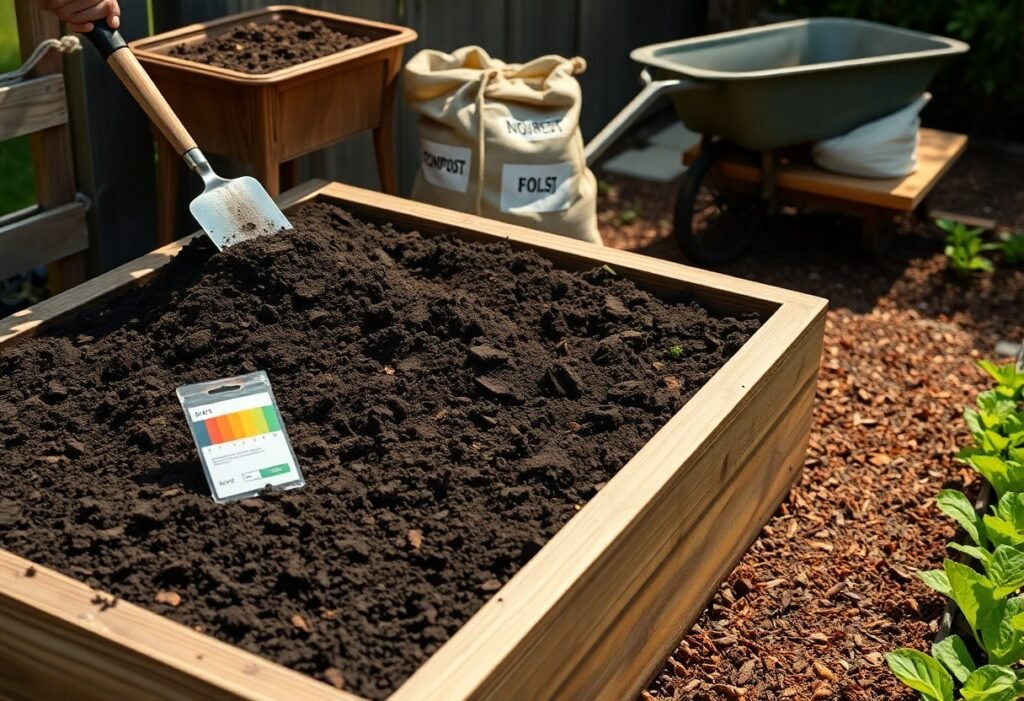
There’s a direct link between the quality of your garden soil and the vitality of your plants. What lies beneath the surface determines how well roots establish, nutrients are absorbed, and water is retained. By understanding and improving your soil, you create the foundation for stronger growth, higher yields, and more resilient plants season after season.
Identifying Key Soil Health Factors
Healthy soil supports strong root development, nutrient availability, and water retention. Key indicators include texture, structure, pH, organic matter content, and biological activity. A balanced soil environment allows plants to access necessary elements without stress from compaction or waterlogging. Microorganisms such as earthworms and beneficial fungi signal active soil processes.
- Texture affects water and nutrient holding capacity
- Structure influences root penetration and air movement
- pH determines nutrient availability to plants
- Organic matter feeds microbes and improves soil stability
Knowing these factors helps you make informed decisions about amendments and planting strategies.
Understanding Soil Texture and Composition
Soil texture refers to the proportion of sand, silt, and clay particles. A loamy mix typically offers the best balance for most garden plants, providing adequate drainage while retaining moisture and nutrients. Sandy soils drain quickly but leach nutrients, while clay holds water but restricts root growth. Feel tests or jar sedimentation methods help determine your soil’s composition.
Each particle size impacts pore space and nutrient exchange, shaping how your plants respond over time.
Evaluating Drainage and Aeration Capacity
Water movement through soil reveals how well roots can access oxygen and avoid rot. After watering, ideally, moisture should drain within a few hours, leaving the soil damp but not saturated. Poor drainage often stems from compacted layers or excessive clay content. Raised beds or organic integration can mitigate these issues.
Roots in well-aerated soils grow deeper and resist disease more effectively.
Standing water 24 hours after irrigation indicates a drainage problem, often corrected by adding compost or creating subsoil channels for water to escape.
How to Test Your Soil for Success
Accurate soil testing provides the foundation for targeted improvements in your garden. Without knowing your soil’s current composition, amendments may do more harm than good. Simple observations like drainage rate and earthworm presence offer early clues, but chemical and structural insights require formal testing. Begin with a representative sample from multiple spots in your garden, taken at the same depth and free of debris.
Consistency in sampling technique ensures reliable results over time. Combine small subsamples in a clean container, then air-dry and sieve if required by the testing method. Avoid testing immediately after fertilizing or amending, as this skews readings. A uniform sample reflects the true state of your soil, guiding precise adjustments for optimal plant performance.
Utilizing Home Testing Kits for pH Levels
Home testing kits offer a quick, accessible way to measure soil pH without lab delays. Most kits use color-changing indicators that react to acidity or alkalinity in a soil-water mixture. Follow the manufacturer’s instructions precisely, especially regarding water quality and mixing ratios, to avoid false readings. While less precise than lab analysis, these kits help identify major imbalances in a matter of minutes.
A mid-sized SaaS firm might rely on real-time dashboards, but your garden depends on real-time soil data. A reading below 6.0 suggests acidic soil, common in regions with high rainfall, while above 7.5 indicates alkalinity, often found in arid zones. Adjustments like lime for acidity or sulfur for alkalinity can then be applied with confidence, based on consistent kit results over multiple seasons.
Interpreting Professional Lab Results
Professional soil labs deliver detailed reports covering pH, nutrient levels, organic matter content, and cation exchange capacity. Look for macronutrients like nitrogen, phosphorus, and potassium listed in parts per million or pounds per acre. The report may also flag micronutrient deficiencies such as zinc or boron, which affect plant health even in trace amounts. Base your amendment plan on these specific values rather than general recommendations.
One gardener in the Pacific Northwest corrected a persistent blueberry stunting issue after lab results revealed excessive manganese availability at a pH of 5.2. Adjusting to a target pH of 4.8 reduced manganese toxicity and improved yields within one growing season. Such cases underscore the value of precise data over guesswork when managing complex soil interactions.
Lab results often include a buffer pH measurement, which predicts how much amendment is needed to change soil pH effectively. Soils with high clay or organic content resist change more than sandy soils, requiring larger applications of lime or sulfur. The report’s suggested rates account for this buffering capacity, helping you avoid under- or over-application. Follow these tailored recommendations closely for efficient, long-term correction.
Amending Soil with Organic Matter
Organic matter acts as a foundation for fertile, well-structured soil. By integrating materials like compost, manure, or leaf mold, you enhance microbial activity and improve the soil’s ability to retain water and nutrients. Most garden soils benefit from a 2-3 inch layer worked into the top 6-8 inches of soil before planting.
Microorganisms break down these materials over time, releasing nutrients in forms plants can absorb. A steady supply supports root development and increases resilience to pests and environmental stress. Consistent additions each season maintain vitality, especially in raised beds or heavily cropped areas.
Incorporating High-Quality Compost
Compost made from kitchen scraps, yard waste, and plant residues delivers a balanced mix of nutrients and beneficial microbes. Apply a 1-2 inch layer across your garden bed and mix it into the topsoil before planting. Well-finished compost should smell earthy and crumble easily, with no recognizable food scraps or foul odors.
Using mature compost prevents nitrogen drawdown, where microbes temporarily consume available nitrogen while breaking down raw materials. A mid-sized SaaS firm might prioritize efficiency, but in gardening, patience with decomposition yields better results. Incorporate compost in fall or early spring to allow integration before planting.
Benefits of Well-Rotted Manure
Farmyard manure from cows, horses, or chickens adds nitrogen, phosphorus, and organic material when properly aged. Fresh manure can burn plants and introduce pathogens, so allow it to decompose for at least six months before use. Blending it into the soil improves texture and supports long-term nutrient availability.
Well-rotted manure enhances cation exchange capacity, helping soil hold onto vital nutrients. It also encourages earthworm activity, which naturally aerates the ground. Always source from animals not treated with persistent herbicides, as residues can damage sensitive crops like tomatoes or beans.
Manure from a local dairy farm, aged over winter in a covered pile, often reaches ideal decomposition by spring planting. The material turns dark and crumbles easily, integrating smoothly into garden beds without clumping. This form supports steady nutrient release and minimizes runoff compared to synthetic alternatives.
Essential Tips for Nutrient Management
Balanced nutrient levels support strong root development and increase crop resilience. Apply fertilizers based on soil test results to avoid over-application, especially with nitrogen and phosphorus. Organic options like composted manure or bone meal release nutrients slowly, improving long-term fertility. Rotate crops annually to prevent nutrient depletion, particularly with heavy feeders like tomatoes or corn. Maintain consistent pH levels, as extremes limit nutrient availability.
- Match fertilizer type to crop needs
- Time applications to growth stages
- Use slow-release forms when possible
- Monitor plants for deficiency signs
Knowing that nutrient demands vary by species and season helps you adjust inputs effectively and sustain plant health.
Selecting the Right Fertilizers for Specific Crops
Leafy greens respond well to nitrogen-rich amendments such as blood meal or fish emulsion, promoting lush foliage. Root crops like carrots and beets perform better with lower nitrogen and higher phosphorus, supporting taproot development. A mid-sized SaaS firm might not need this detail, but a market gardener knows that over-fertilizing potatoes with nitrogen leads to excessive vines and small tubers. Always consider the N-P-K ratio on product labels.
Tomatoes benefit from calcium-enriched fertilizers to prevent blossom end rot, especially in sandy soils. Squash and cucumbers thrive with regular side-dressings of balanced organic fertilizer during fruiting. Lettuce and spinach require smaller, frequent nutrient applications to avoid bitterness.
Using Cover Crops to Fix Nitrogen
Leguminous cover crops such as clover, vetch, and field peas form symbiotic relationships with rhizobia bacteria to convert atmospheric nitrogen into usable forms. Sow them in late summer or early fall for overwintering, then till into the soil in spring before planting. This natural process reduces the need for synthetic nitrogen inputs.
Winter rye interplanted with hairy vetch provides both nitrogen fixation and soil protection from erosion. The vetch can contribute substantial nitrogen, particularly when terminated at flowering.
Knowing how to manage termination timing ensures maximum nutrient release when cash crops need it most.
How to Optimize Soil Structure
Soil structure determines how well roots penetrate, water drains, and air circulates through the ground. A loose, crumbly texture supports strong root development and microbial activity, especially in heavy clay or sandy soils. You improve this by minimizing disruption and encouraging natural aggregation over time.
Organic matter plays a supporting role, but physical interventions can accelerate improvement. Avoid walking on planting areas to preserve pore spaces, and consider raised beds where compaction is chronic. These adjustments create a more hospitable environment for both plants and soil life.
Reducing Compaction Through No-Till Gardening
No-till gardening preserves the intricate network of tunnels created by earthworms and fungi. Each time you dig or till, you collapse these pathways, reducing aeration and water movement. By leaving the soil undisturbed, you allow natural processes to maintain openness and structure.
Instead of turning the soil, add compost or mulch to the surface. Over months, earthworms and microbes pull this material downward, enriching deeper layers without compaction. A mid-sized SaaS firm switched to no-till in its employee garden and observed deeper root systems within one growing season.
Adding Perlite or Vermiculite for Better Porosity
Perlite, the white volcanic rock often seen in potting mixes, increases pore space and improves drainage. When mixed into dense soils, it prevents waterlogging and gives roots room to expand. Use it in garden beds with poor aeration or in container blends where compaction occurs quickly.
Vermiculite retains moisture and nutrients while still loosening tight soils. It works well in drought-prone areas where water conservation matters. Apply either material at a ratio of one part additive to three parts soil for noticeable improvement without over-amending.
Perlite is particularly effective in root crop beds, where carrots or radishes struggle in compacted conditions. Its sharp, lightweight particles resist compression, maintaining gaps even under slight pressure. Unlike organic amendments, perlite does not decompose, offering a long-term structural benefit without annual reapplication.
Maintaining Long-Term Soil Fertility
Implementing Crop Rotation Schedules
Rotating plant families across different garden beds each season prevents nutrient depletion and disrupts pest cycles. For example, follow heavy-feeding tomatoes with nitrogen-fixing beans to naturally replenish the soil. Corn, beans, and squash grown in a three-year sequence mimic traditional companion planting systems that sustain productivity. Avoid planting members of the same family in the same spot more than once every three years.
Leafy greens after root crops balance nutrient demands and reduce disease carryover. A mid-sized market garden in Oregon reduced fungal outbreaks by alternating brassicas with alliums and legumes. This method maintains biological balance while supporting consistent yields over time.
Seasonal Mulching to Protect Soil Microbes
Applying organic mulch in spring and fall buffers soil temperature and retains moisture. Straw, shredded leaves, or grass clippings create a hospitable environment for beneficial fungi and bacteria. Earthworm activity increases noticeably under consistent mulch cover, enhancing soil structure and nutrient cycling.
Microbial populations decline rapidly in bare, sun-exposed soil. Covering the surface with a 2-3 inch layer of mulch shields these organisms from extreme heat and drying winds. In one observed garden bed, soil under winter mulch showed visible mycelium networks in early spring, indicating strong microbial life.
Timing matters when mulching around perennials and seasonal crops. Apply after the soil warms in spring to avoid delaying germination, and again after the first frost to protect overwintering microbes. Mulch derived from non-treated yard waste decomposes slowly, providing long-term organic input without introducing chemicals.
Final Words
Improving your garden soil is a continuous process that rewards observation and consistent effort. You see measurable results when you regularly incorporate compost, monitor pH levels, and rotate crops to prevent nutrient depletion. A mid-sized SaaS firm might track data over quarters, but in your garden, the feedback is visible in stronger root systems, fewer pests, and higher yields each season.
You maintain progress by avoiding compaction, using cover crops during off-seasons, and applying mulch to retain moisture and feed microbes. Over time, these practices build a living soil ecosystem that supports healthier plant growth with less need for external inputs.