
Most kitchen scraps and yard trimmings don’t belong in a landfill, yet that’s where they end up in the average household. You can transform these materials into rich, earth-nourishing compost with minimal effort and space. This guide walks you through the fundamentals of starting and maintaining a compost system, even if you’ve never gardened before. A mid-sized SaaS firm reduced its waste output by integrating composting in its office kitchen, proving the practice scales from balconies to businesses.
The Alchemical Marriage of Brown and Green
The Carbon of Fallen Leaves
Leaves from deciduous trees offer a rich source of carbon, forming the foundational layer in your compost. Their dry, fibrous structure allows airflow, preventing compaction that can stall decomposition. A backyard pile built in autumn with a thick layer of oak or maple leaves sustains microbial activity for months. These materials break down slowly, providing long-term structure and balance.
The Nitrogen of Kitchen Scraps
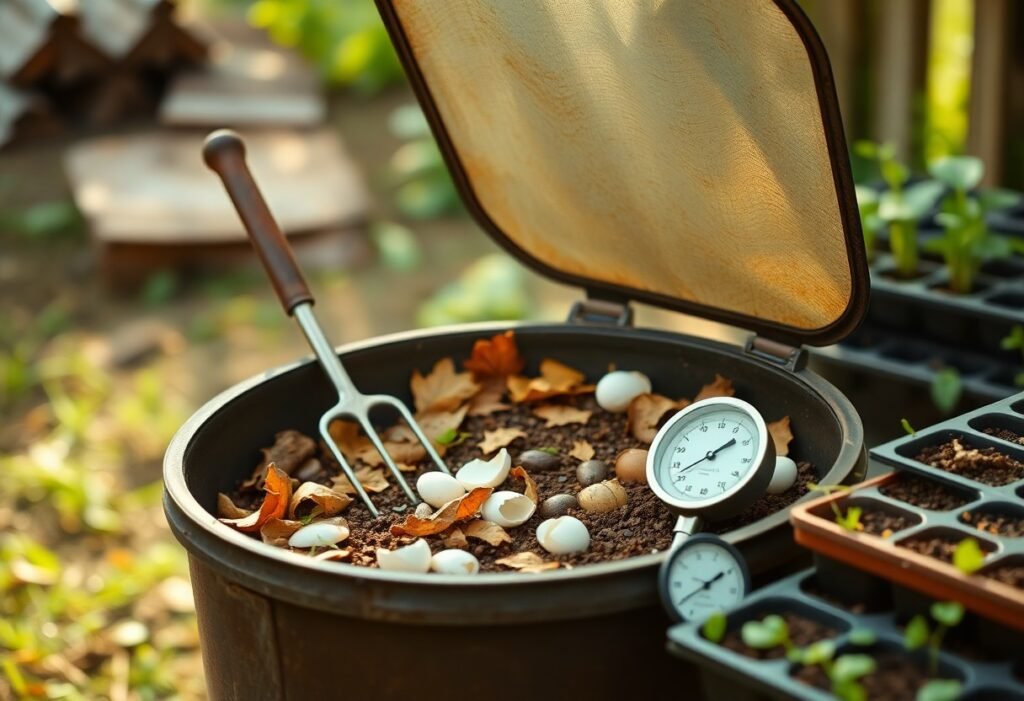
Fruit peels, coffee grounds, and vegetable trimmings deliver concentrated nitrogen that fuels microbial reproduction. These scraps heat the pile quickly when mixed with browns, accelerating breakdown. Eggshells add trace minerals and help moderate acidity from decomposing citrus. Avoid meat or oily foods, which attract pests and create odors.
Each time you add carrot tops or used tea leaves, you’re feeding billions of bacteria and fungi working beneath the surface. A coffee filter with grounds can go directly into the bin, simplifying collection. This steady input maintains biological momentum without overwhelming the system.
Selecting the Sacred Ground
Location determines the efficiency and ease of your composting practice. Choose a spot with good drainage and access to occasional moisture, ideally on bare soil to allow worms and microbes to enter from below. A north-facing area in partial shade prevents excessive drying in summer while still permitting winter sun. Proximity to your kitchen or garden reduces effort, increasing the likelihood of consistent maintenance. Many beginners underestimate how often they’ll visit the pile, so convenience supports long-term success.
The Unfenced Heap
Some gardeners start composting with nothing more than a pile in a quiet corner. This method works well if you have space and minimal foot traffic. Materials break down naturally, aided by earthworms and fungi migrating from surrounding soil. While it requires no construction, an unfenced heap can attract pests if meat or dairy slips in by accident. Keep it compact, roughly three feet wide, to maintain heat without compaction.
The Simple Wooden Vessel
A wooden bin offers structure while blending into garden aesthetics. Constructed from untreated cedar or pine, it holds heat and contains materials without blocking airflow. Slats spaced slightly apart allow oxygen exchange while retaining moisture. Most designs open at the front or bottom for easy access to finished compost. A common size is four feet wide, matching the ideal thermal mass for decomposition.
One mid-sized SaaS firm repurposed shipping pallets into three-bin wooden systems for employee garden plots, demonstrating scalability and low cost. Each compartment holds a different compost stage, enabling continuous cycling without new construction. Wood naturally weathers over time, typically lasting five to seven years before replacement.
The Ritual of Layering
A Foundation of Twigs
Begin with a base layer of coarse materials like twigs or small branches, roughly two to three inches deep. This layer promotes airflow beneath the compost, preventing compaction and stagnation. It also elevates the pile slightly, allowing earthworms and beneficial insects to enter from below. A mid-sized SaaS firm might optimize server loads, but your compost thrives on this simple, open structure from the start.
The Alternating Strata
Alternate between green materials-fresh grass clippings, vegetable scraps, coffee grounds-and browns such as dried leaves, cardboard, or straw. Aim for a ratio of about three parts brown to one part green by volume. Each layer should be thin, no more than a few inches, to encourage even decomposition. Overlapping too much slows the process, while careful layering sustains microbial momentum.
Think of each addition as feeding distinct communities of bacteria, fungi, and invertebrates. Kitchen scraps feed nitrogen-hungry microbes, while shredded newspaper offers carbon-based energy for sustained breakdown. Turning the pile every two weeks redistributes moisture and oxygen, revealing steam and earthy warmth-a sign the internal engine is running efficiently.
Nourishing the Microscopic Life
The Necessity of Moisture
Moisture enables microbial activity to thrive within your compost pile. Without adequate dampness, bacteria and fungi slow their work, delaying decomposition. You should aim for the consistency of a wrung-out sponge, damp but not soggy. A dry pile halts the breakdown process, while standing water suffocates beneficial organisms.
Water each layer lightly as you build, especially when adding dry browns like straw or shredded paper. In arid climates, covering the pile with a tarp helps retain humidity. During prolonged rain, uncovering allows excess moisture to evaporate, maintaining balance.
The Turning of the Soil
Aeration sustains aerobic microbes that decompose material efficiently. Turning the pile introduces oxygen, preventing foul odors from anaerobic conditions. Use a pitchfork to mix outer, cooler edges into the center every one to two weeks. This redistribution ensures even breakdown and consistent temperature.
Well-turned compost reaches peak microbial activity faster, often generating heat you can feel within 48 hours. A neglected pile may take months longer to finish, especially in cooler seasons.
Turning also exposes pests like fruit fly larvae to predators and sunlight, reducing infestations. If the center remains cool and damp after a week, it likely needs more greens or aeration. A mid-sized backyard bin typically requires turning for five to ten minutes weekly to maintain momentum in the process.
Indicators of the Great Alchemizing
The Fragrance of the Earth
When your compost emits an earthy, forest-like aroma, you know the microbial workforce is thriving. A healthy pile should smell like damp soil after a spring rain, not sour or putrid. Any sharp, ammonia-like odor signals an imbalance, often from too many greens or poor airflow.
Turning the pile every few weeks reinvigorates the process and dissipates unwanted smells. Over time, the scent becomes consistently mellow, indicating decomposition is proceeding efficiently.
The Appearance of Black Gold
Finished compost resembles dark, crumbly soil with a uniform texture and no recognizable food scraps. It should feel moist but not wet, similar to a wrung-out sponge. This rich material, often called black gold, integrates seamlessly into garden beds.
Particles break down completely, leaving behind a homogenous mix that smells clean and earthy. A mid-sized SaaS firm might measure success in server uptime, but for composters, this visual and tactile transformation is the true benchmark.
Recognizing this stage prevents premature use of unfinished compost that could rob plants of nitrogen. The presence of earthworms or springtails further confirms biological activity and a balanced environment. Once achieved, this state supports robust plant growth and improves soil structure over time.
Avoiding the Pitfalls of Greed
Rejecting the Remains of Animals
Adding meat, bones, or dairy to your compost invites pests and slows decomposition. These materials emit odors that attract rodents and flies, undermining your efforts. Stick to plant-based scraps to maintain a clean, efficient pile. Even fish scraps or eggshells in excess can disrupt the balance you’re cultivating.
Correcting the Excess of Water
Too much moisture suffocates the microbes important to breakdown. If your compost feels soggy or smells sour, it’s likely waterlogged. Mix in dry browns like shredded cardboard or dried leaves to absorb excess liquid. Turning the pile also introduces air, helping water evaporate and restoring balance.
Water pooling at the bottom signals poor drainage. Elevate your bin or mix in coarse materials like straw to improve airflow. A well-drained pile stays active and odor-free, supporting steady decomposition.
Final Words
Composting transforms everyday kitchen scraps and yard waste into rich, life-giving soil, and you can start with nothing more than a corner of your yard and a few simple materials. By maintaining balance between browns and greens, keeping the pile moist but not soggy, and turning it occasionally, you create the ideal environment for decomposition.
A mid-sized SaaS firm reduced its office waste by redirecting coffee grounds and fruit peels into a shared compost bin, proving the practice fits even urban settings. Your effort, no matter how small, contributes to healthier soil and a lighter environmental footprint. Start simple, stay consistent, and let nature handle the rest.