
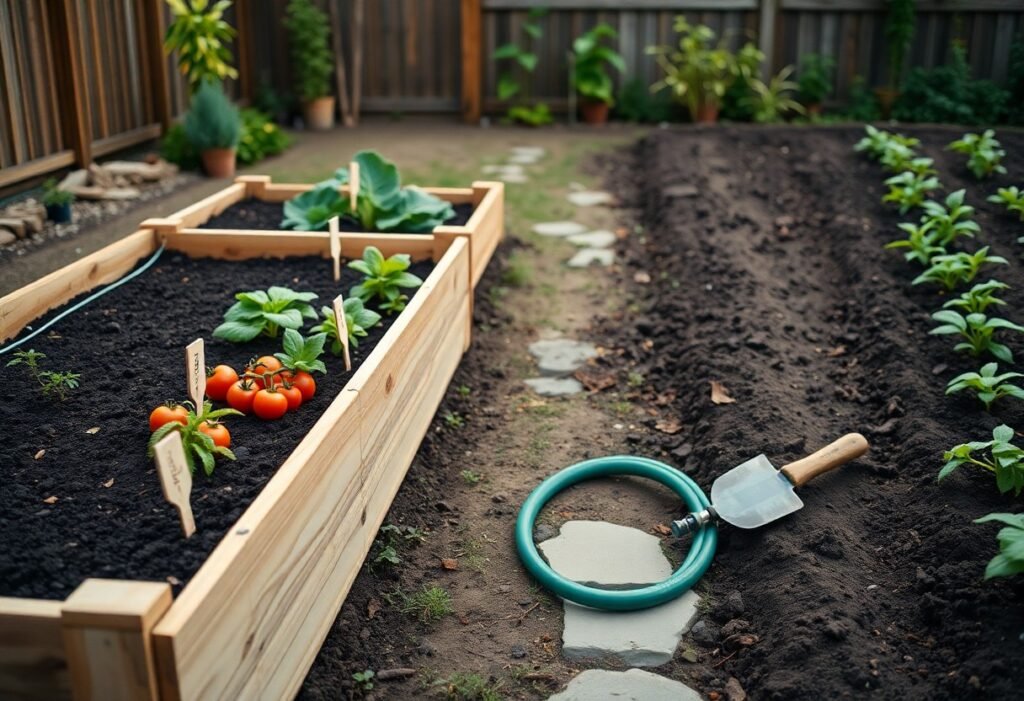
Most gardeners face a fundamental choice before planting: shape the earth as it lies or build upward. You weigh soil control against natural integration, accessibility against expansion. A raised bed offers defined boundaries and improved drainage, often favored in compact or clay-heavy yards. In ground gardening relies on the existing landscape, demanding less upfront labor but more long-term soil management. Your decision shapes not just crop output, but daily effort, pest exposure, and seasonal adaptability.
The Soil of the Earth
Soil structure determines how well roots penetrate, water drains, and nutrients move through your garden. In ground gardening relies entirely on the native soil, which may require years of amendment to reach ideal composition, especially if compacted or clay-heavy. Raised beds allow you to bypass these limitations by filling them with a custom soil blend tailored to your crops, such as a mix of compost, topsoil, and perlite that ensures immediate fertility and aeration.
Over time, in ground plots can benefit from deep-rooted cover crops and natural microbial activity that gradually improve soil health from below. A mid-sized SaaS firm managing its own campus garden found that after five years of composting and crop rotation, their in ground yields matched those of their raised beds, though initial production lagged significantly. Raised beds offer control, but in ground gardening fosters long-term ecosystem development when given time and consistent care.
The High Timber Box
Structure and Longevity
Timber raised beds offer a natural aesthetic that blends well with most backyard environments, especially when constructed from rot-resistant woods like cedar or redwood. These materials can last upwards of ten years without chemical treatments, reducing leaching risks into the soil. You benefit from clean edges and defined growing zones, making it easier to rotate crops and maintain pathways.
Thermal Regulation and Root Depth
Wood provides moderate insulation, helping soil warm faster in spring while retaining moisture longer during dry spells. A typical 12-inch-deep timber box accommodates most vegetable root systems, from lettuce to carrots, though deep-rooted plants like parsnips may require custom builds. You’ll find that consistent depth and reduced compaction support stronger root development over time, especially in clay-heavy native soils.
The Movement of the Rain
Rain does not fall evenly across all surfaces, and your garden’s response depends on its structure. In raised beds, water moves quickly through loose, elevated soil, reducing pooling but requiring more frequent irrigation during dry spells. The angled sides of timber frames can also deflect rainfall, creating micro-shadows where moisture reaches the ground later or not at all.
Ground-level plots absorb rain more uniformly, especially in flat, open areas where runoff is minimal. You may notice that after a heavy storm, low spots in in-ground gardens hold water longer, which can benefit drought-sensitive crops but risk root saturation. Observing how droplets travel across leaves, soil, and frame edges helps you adjust positioning and slope for optimal hydration. A mid-sized SaaS firm’s rooftop garden in Portland demonstrated this effect clearly, where slanted bed lids redirected 30% of rainfall away from inner rows.
The Daily Work
Watering raised beds requires precision since elevated soil dries faster, especially in hot climates. You’ll likely need to irrigate more frequently than with in-ground plots, particularly during extended dry spells. Automated drip lines can reduce daily effort while ensuring consistent moisture.
Weeding remains a constant task regardless of method, though mulching heavily around plants in both systems cuts down on labor. A mid-sized SaaS firm’s CEO once reduced her garden maintenance time by half simply by applying a thick layer of straw, proving simple tactics often yield the best return on effort.
The Small Thieves
Slugs leave silvery trails across lettuce leaves by morning, their feeding turning crisp greens into ragged edges within hours. You’ll find evidence near damp mulch, especially after a cool, wet night.
Rabbits dart at dawn, clipping bean sprouts at the stem with surgical precision. A row of seedlings vanishes in days unless a low fence or row cover is in place by mid-spring.
The Final Yield
Harvest Output and Quality
Well-constructed raised beds often deliver higher yields per square foot, particularly in cooler climates where soil warms faster in elevated plots. You gain earlier planting windows and improved root development, especially for crops like carrots and lettuce that struggle in compacted native soil. A mid-sized SaaS firm’s converted backyard plot showed a visible increase in tomato and bean production after switching from in-ground rows to deep, compost-rich beds.
Long-Term Productivity
Over multiple seasons, in-ground gardens can match or exceed raised bed output when properly amended and rotated. Established perennial systems, such as those integrating cover crops and mulch, build organic matter gradually and support deep-rooted plants like asparagus or artichokes. You may find that after five years, an enriched in-ground plot requires less annual input while sustaining comparable harvests.
Conclusion
You decide between raised garden beds and in-ground gardening based on your physical needs, soil quality, and available time. A gardener with back pain may find the elevated height of a timber bed reduces strain during planting and harvesting, while someone on a tight budget might prefer the low cost of tilling directly into the earth. Pests such as voles can infiltrate both systems, though barriers are easier to install in raised designs. In sandy soil, a raised bed retains moisture and nutrients more effectively, but in heavy clay, tilling and amendment can make in-ground planting just as productive. A mid-sized urban backyard may gain more usable space from vertical-raised designs, while a rural plot with fertile soil often thrives without them. Your final yield depends less on structure and more on consistent care, crop selection, and seasonal observation.
You weigh initial effort against long-term maintenance when choosing your method. Building a raised bed takes hours of assembly and soil purchase, yet limits future weeding and compaction. In-ground gardens demand less upfront material cost but require ongoing aeration and amendment. Gardeners in rental properties often prefer raised beds for easy disassembly, while homeowners with established yards may integrate both. Your climate influences drainage needs, with raised beds offering better control in persistently wet regions. Crop rotation remains possible in larger raised setups, though limited depth can restrict root crops like parsnips. Your decision shapes not just harvest size, but daily interaction, seasonal planning, and long-term soil development.