
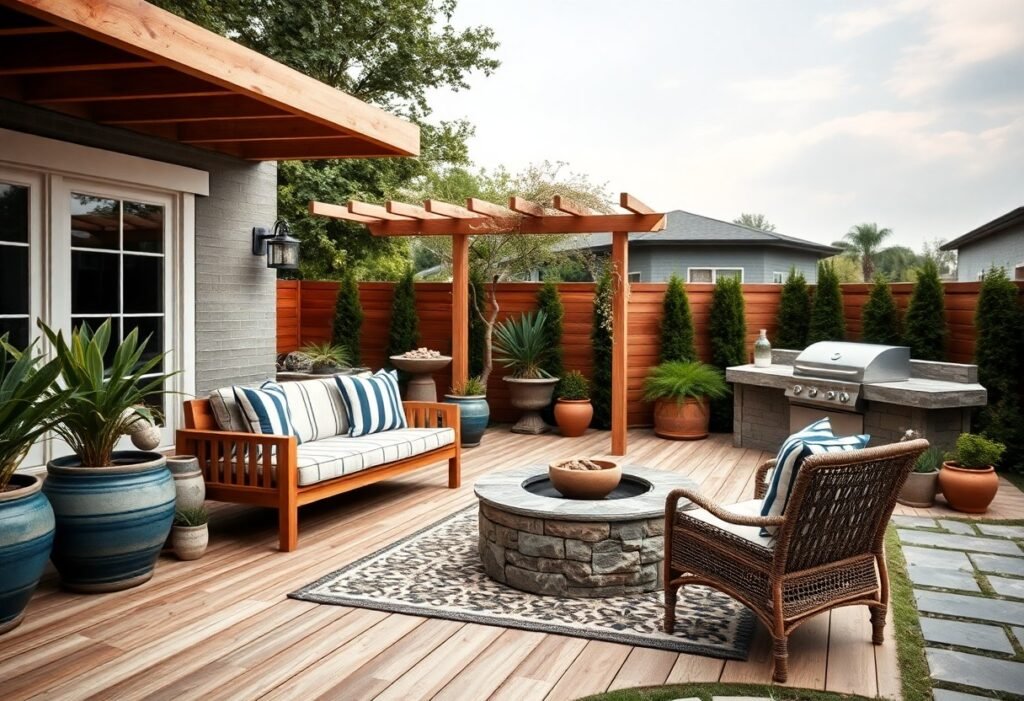
There’s a distinct pleasure in stepping into an outdoor space that feels like a true extension of your home, where every material, color, and furnishing aligns with a clear, intentional theme. You’re not just arranging furniture or planting greenery-you’re crafting an atmosphere that reflects your lifestyle, complements your home’s architecture, and responds to the natural surroundings. The right theme turns a generic backyard into a cohesive retreat, whether that means channeling coastal calm, modern minimalism, or rustic warmth. Your choices set the tone for how the space is used and experienced, season after season.
Evaluating Primary Functional Factors
Function shapes form when designing an outdoor living space. Begin by identifying how you intend to use the area, as this directly influences layout, furniture selection, and infrastructure needs. A space dedicated to dining requires a level surface and proximity to the kitchen, while a lounging zone benefits from shade and comfortable seating. Assume that every design decision stems from these practical foundations.
Determining the Intended Use of the Space
Consider whether the area will host large gatherings, intimate dinners, or daily relaxation. A family with young children might prioritize open, durable surfaces and safe materials. Someone who entertains frequently may need built-in grilling stations and ample seating. Your routine habits determine the space’s footprint and features.
Assessing Environmental and Climate Constraints
Sun exposure, wind patterns, and rainfall affect both comfort and material longevity. A west-facing patio in a hot climate demands heat-resistant surfaces and shade structures. In regions with heavy precipitation, drainage and mold-resistant materials become crucial. Assume that local weather patterns will dictate not only usability but also maintenance frequency.
Microclimates within your yard can vary significantly. A shaded corner may stay damp, encouraging moss growth and limiting plant options. Nearby trees provide natural cover but shed debris, increasing cleaning demands. Elevated areas catch more wind, which impacts seating stability and fabric choices for cushions or umbrellas.
How to Match Your Theme to Home Architecture
Analyzing Structural Styles and Materials
Observe the dominant architectural lines of your home’s exterior when selecting an outdoor theme. A mid-century modern house with flat planes and natural wood siding pairs well with clean-lined, minimalist furniture in teak or powder-coated metal. Brick colonial homes often benefit from symmetrical layouts and traditional materials like stone pavers or wrought iron. The materials used on your home’s façade-such as stucco, cedar, or stone-should reappear in subtle ways outdoors to create cohesion.
Creating a Seamless Indoor-Outdoor Flow
Align exterior flooring with interior finishes to dissolve visual barriers between rooms and open-air spaces. A travertine patio extending from a sunroom floor maintains continuity in texture and tone. Large glass doors that pocket or slide away enhance physical access and sightlines.
Use consistent trim colors and ceiling materials on covered porches to echo interior design cues. Exposed beams painted white under a pergola mirror ceiling details inside, reinforcing a unified aesthetic. A mid-sized SaaS firm’s CEO recently transformed her backyard by matching the walnut-stained decking to her living room’s hardwood, creating a natural transition that guests often mistake for a single expansive room.
Crucial Factors for Material Selection
Material choice directly shapes both the longevity and character of your outdoor space. Consider climate exposure, foot traffic, and intended use when selecting surfaces and furnishings. Natural stone withstands decades of sun and rain, while powder-coated aluminum resists rust near coastal areas. A mid-sized SaaS firm’s backyard retreat, for instance, opted for ipe wood decking due to its natural oils and resistance to decay. Thou must weigh initial cost against replacement frequency and upkeep labor.
Prioritizing Weather Resistance and Durability
Local weather patterns dictate how materials perform over time. In regions with heavy rainfall, untreated wood may warp or foster mold within two to three seasons. Concrete pavers handle freeze-thaw cycles better than poured concrete, minimizing cracks. Metal furniture with UV-stabilized powder coating maintains integrity longer under constant sun exposure.
Balancing Aesthetic Appeal with Maintenance Needs
Smooth teak offers a refined look but fades to silver without regular oiling. Stamped concrete mimics high-end stone at lower cost and demands less care than natural flagstone. Some homeowners prefer the lived-in look of weathered materials, embracing change as part of the design. Thou must align visual preferences with willingness to clean, seal, or refinish annually.
Choosing a material isn’t just about how it looks on day one, but how it ages with minimal intervention. Woven resin wicker resists fading and requires only occasional wiping, making it ideal for low-maintenance seating areas. Porcelain tiles imitate wood grain while resisting moisture and stains, a practical compromise for dining zones exposed to spills and sun. Your ideal finish balances beauty with realistic care habits.
How to Curate a Professional Color Scheme
Selecting Base Tones for Large Surfaces
Begin by assessing the fixed elements of your space, such as stone patios or wooden decking, to guide your base tone selection. Neutral shades like warm gray, beige, or soft taupe work well across different materials and lighting conditions. These tones provide a calm foundation, allowing furniture and decor to stand out without overwhelming the eye. A mid-sized SaaS firm’s backyard lounge used light sandstone tones to mirror its stucco exterior, creating visual continuity.
Using Accent Hues to Define the Atmosphere
Accent colors shape the mood of your outdoor area, whether you aim for serenity or vibrancy. Deep navy cushions against cream seating introduce depth while maintaining elegance. Terracotta planters or citron umbrellas inject energy in seating zones without dominating the palette. These choices should reflect the intended use-cooler tones for relaxation, bolder ones for entertainment.
Consider how natural light shifts throughout the day when testing accent hues. Morning sun enhances cool blues and greens, while late afternoon warmth amplifies reds and oranges. A coastal California home used sage green throw pillows and rust-colored rugs under a pergola, letting the colors evolve subtly from dawn to dusk. This interplay adds dimension without requiring structural changes.
Pro Tips for Adding Character and Detail
Personality in an outdoor space emerges through thoughtful details that reflect your lifestyle and aesthetic. Incorporate unique planters made from repurposed materials, vintage garden tools as wall decor, or hand-painted tiles on tabletops. A mid-sized SaaS firm’s backyard retreat included a custom fire pit lined with iridescent glass beads, creating a focal point that doubled as conversation starter. Small accents like patterned throw pillows, a weathered wooden bench, or a kinetic sculpture add layers without overwhelming the design.
- Use mismatched but tonally aligned furniture for an organic, collected-over-time feel
- Integrate art pieces that withstand weather, such as powder-coated metal sculptures or ceramic installations
- Anchor seating areas with outdoor rugs that mimic indoor textile complexity
Knowing how these elements interact ensures cohesion while preserving visual interest.
Layering Textures Through Textiles and Greenery
Texture defines comfort and depth in outdoor environments. Combine smooth ceramic stools with nubby jute poufs, or pair sleek metal chairs with plush, solution-dyed acrylic cushions. Introduce climbing ivy on trellises, ornamental grasses in stone planters, and trailing succulents from hanging baskets to create living texture. A coastal California home used driftwood planters filled with lamb’s ear and blue fescue to soften clean-lined furniture, enhancing tactile contrast.
Greenery should vary in form-spiky yucca beside rounded boxwood, feathery ferns near broad-leafed hostas-to maintain visual rhythm across seasons.
Incorporating Strategic Lighting Elements
Light shapes the evening experience of your space. Place low-voltage path lights along walkways, wrap string lights above dining areas, and install adjustable spotlights to highlight specimen trees or architectural features. One designer used recessed step lighting in a bluestone patio to ensure safety while preserving clean lines.
Warm-toned LEDs (2700K-3000K) mimic candlelight and enhance skin tones during night gatherings.
Strategic placement of lighting can extend usability well after sunset, transforming a simple deck into an ambient retreat. Recessed deck lights, when spaced 18 inches apart along railings, provide subtle guidance without glare. Uplighting a mature magnolia tree in a suburban Austin yard created dramatic shadow patterns on the ceiling of an open pergola, adding movement and depth. Solar-powered lanterns scattered across a dining table offered flickering accents without wiring. Knowing where and how light falls allows you to choreograph mood and function in equal measure.
Conclusion
Choosing the right theme for your outdoor living space begins with aligning it to your home’s architectural style and intended use. A mid-sized SaaS firm executive who transformed their backyard opted for a modern minimalist theme with clean lines and neutral tones, complementing their contemporary home and simplifying maintenance. Your material choices, from teak to powder-coated steel, should endure local weather while supporting the aesthetic.
Color schemes grounded in nature-such as sage, terracotta, or charcoal-create cohesion between built elements and landscape. Thoughtful details like built-in planters or ambient lighting personalize the space without overwhelming it. Your perfect theme balances form and function, turning the patio into a true extension of your home’s character and your lifestyle.