
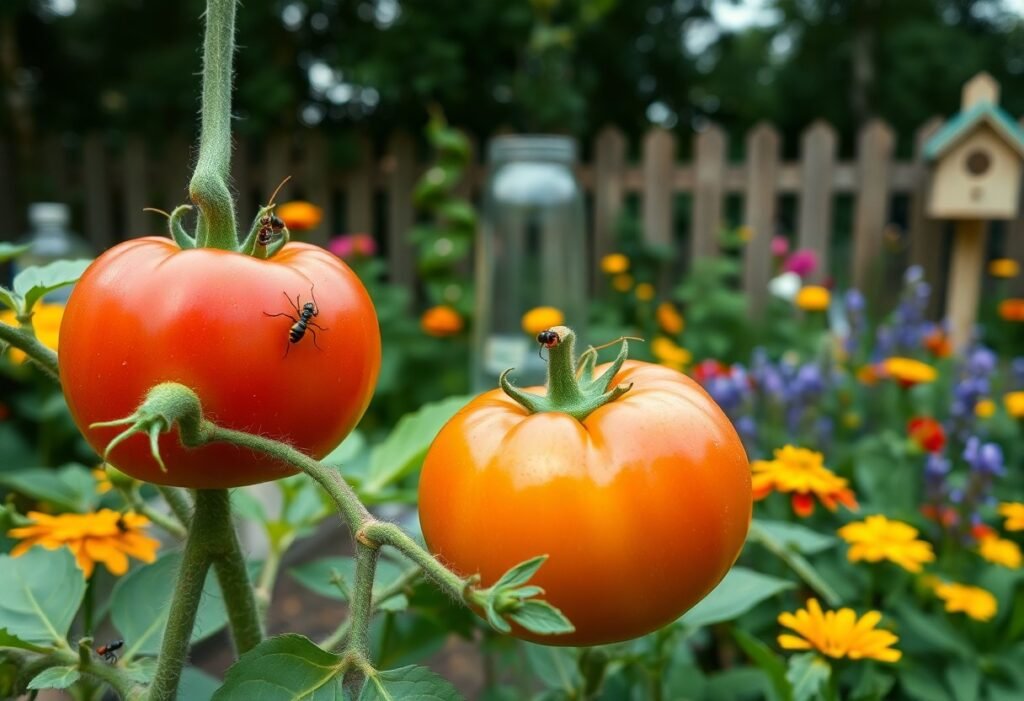
Over thousands of homes face recurring backyard pest issues each gardening season, from chewed foliage to disrupted soil. You deal with these problems not just to protect plants, but to maintain a safe, enjoyable outdoor space. This guide outlines the most frequent invaders and proven, natural strategies to keep them at bay without resorting to harsh chemicals.
The Tiny Tyrants of the Stem
Sap-Sucking Invaders
Aphids, spider mites, and whiteflies cluster on tender stems and leaf undersides, draining sap and weakening plants over time. Their feeding often results in curled, yellowed foliage and sticky honeydew residue that invites sooty mold. You can spot early infestations by regularly inspecting new growth, especially on roses, tomatoes, and beans.
Introducing natural predators like lacewings or applying a gentle spray of soapy water disrupts their colonies without harming beneficial insects. A mid-sized SaaS firm managing its own garden found weekly sprays reduced aphid presence by consistent monitoring and intervention.
The Ladybug’s Noble Duty
Ladybugs, both adults and larvae, consume hundreds of aphids during their lifecycle, making them indispensable allies. A single larva can devour dozens of pests daily, targeting colonies before they spread. You’ll recognize them by their spiky, dark bodies with orange markings, often found near infested zones.
Encouraging ladybugs involves planting pollen-rich flowers like dill, yarrow, or tansy to provide nectar and shelter. Avoid broad-spectrum pesticides, which eliminate these helpers along with pests. One urban garden saw aphid levels drop within days of ladybug release, with minimal reinfestation over six weeks.
Providing winter refuge, such as undisturbed leaf litter or a purpose-built insect hotel, increases the likelihood of ladybugs returning each spring. Their presence correlates with sustained pest control, reducing the need for repeated interventions. You benefit from a self-reinforcing cycle where natural predation keeps populations in check year after year.
The Slow Creep of the Gastropod
Midnight Devourers of Foliage
Slugs and snails emerge after dusk, drawn to moist soil and tender plant tissue. You’ll often find them beneath mulch or garden debris, leaving behind irregular holes in hostas, lettuce, and marigolds. Their feeding patterns are unmistakable, marked by smooth-edged damage and a glistening trail of mucus across leaves and pathways.
A single slug can consume twice its body weight in a night, decimating seedlings in days. These pests thrive in shaded, damp areas where overhead watering creates ideal conditions. Reducing nighttime moisture and eliminating hiding spots disrupts their lifecycle and limits population growth.
Barriers of Crushed Shells
Sharp-edged materials like crushed eggshells or oyster shells deter gastropods by creating an uncomfortable surface to cross. When applied in a ring around vulnerable plants, the abrasive texture irritates their soft underbellies, discouraging approach.
Replenish the barrier after rain or heavy dew, as moisture causes shells to break down and lose effectiveness. For longer durability, consider diatomaceous earth as a supplement, though it must be reapplied frequently in wet conditions.
Crushed shells also contribute calcium to the soil as they degrade, offering a secondary benefit to plants like tomatoes that require the mineral to prevent blossom end rot. This dual function makes the method both protective and nourishing, integrating pest control with soil improvement.
The Winged Hum of the Marsh
Stagnant Pools of Life
Mosquitoes thrive where water sits undisturbed for more than a few days. A clogged gutter, an overturned pot holding rain, or a neglected birdbath becomes a nursery for larvae. Eliminating standing water disrupts their reproductive cycle, reducing populations before they take flight. Even a bottle cap filled with rain can host dozens of developing insects.
Regular inspection of your yard every few days catches potential breeding sites early. A small effort in tipping out water from containers, cleaning drains, or introducing a fountain to garden ponds keeps water moving. Mosquito dunks made from natural bacteria can target larvae in water features without harming fish or plants.
Fragrance of the Citronella Leaf
Citronella grass and its relatives emit aromatic oils that mask human scents attractive to biting insects. Planting these near patios or walkways creates a subtle, natural barrier. Their lemony scent emerges when leaves are brushed or crushed, releasing volatile compounds into the air.
Positioning citronella in pots allows flexibility in placement during evening gatherings. Other plants like lemon balm and lemon thyme share similar properties and can be interplanted among vegetables or flowers. These herbs require full sun and well-drained soil, thriving in most temperate gardens.
You can crush a few leaves from your citronella plant and rub them on exposed skin for a temporary, chemical-free repellent. While not as long-lasting as synthetic options, this method suits short outdoor periods and complements other preventive measures. The plant itself adds height and texture to garden beds, serving both functional and aesthetic roles.
The Hard-Shelled Leaf Eaters
Beetle Legions in the Sun
Beetles emerge with daylight, drawn to the warmth and abundance of tender foliage. Japanese beetles, for instance, skeletonize rose leaves and grapevines in coordinated groups, leaving only delicate veins behind. Their metallic green bodies glisten under summer sun, making them easy to spot on affected plants. These insects thrive in lawns with thick thatch where their larvae feed on grassroots through cooler months.
Adults disperse by flight, often traveling short distances to favored host plants. A mid-sized SaaS firm managing green spaces reported recurring beetle damage near ornamental beds bordered by turfgrass. Their presence peaks midsummer, coinciding with flowering plants most vulnerable to defoliation.
The Simple Art of Manual Removal
Handpicking beetles early in the morning slows population growth before mating begins. Drop them into a bucket of soapy water to prevent escape and reduce next season’s hatch. This method works best when applied daily during peak activity.
Some gardeners place a light-colored cloth beneath infested plants to catch falling beetles when branches are shaken. This technique increases visibility and collection efficiency, especially on shrubs like raspberries or elderberries where clusters gather.
Consistent removal over several weeks disrupts breeding cycles and reduces reliance on other interventions. One gardener in Ohio eliminated a recurring Japanese beetle problem over two seasons using only manual methods combined with milky spore application in the lawn.
Furry Thieves in the Night
Rodent Neighbors and Their Greed
Small mammals like mice and rats often invade gardens under cover of darkness, drawn by accessible seeds, fruits, and compost. A mid-sized SaaS firm might lose server uptime to bugs, but your tomato patch can vanish overnight to a family of foraging rodents. These creatures chew through storage bags, nest in mulch piles, and contaminate food stores with droppings. Sealing entry points and removing ground-level shelters reduces their appeal.
One suburban gardener documented a 70% drop in nighttime raids after switching from burlap wraps to wire mesh barriers around raised beds. Rodents avoid tight metal grids, especially when combined with elevated planters. Keep birdseed in metal containers and harvest ripe produce promptly to limit temptation.
Scents of Mint and Pepper
Mint and cayenne pepper disrupt rodent navigation and feeding behaviors through strong olfactory signals. Planting peppermint around garden borders or sprinkling cayenne near entry zones deters persistent intruders. These scents overwhelm sensitive nasal receptors without harming wildlife.
Some gardeners steep used coffee grounds with dried chili flakes in water, then spray the mixture along fence lines and near burrow openings. The bitter aroma lingers after rain, reinforcing the barrier. Reapply every few days for consistent results.
Peppermint thrives in partial shade and spreads quickly, forming a living barrier that doubles as a culinary herb. Its vigorous growth requires containment, ideally in buried pots or designated beds. When paired with physical exclusion methods, aromatic plants like mint create layered defense strategies that adapt as pest patterns shift over seasons.
The Industrious Ant Trail
Social Workers of the Soil
Ants support soil aeration and nutrient cycling, breaking down organic material and improving garden bed structure. A mid-sized SaaS firm might rely on cloud infrastructure, but your garden relies on these tiny laborers. Colonies often nest beneath stones or near foundation walls, emerging in organized lines to gather food. Their presence near plants usually signals accessible crumbs, pet food, or aphid honeydew.
Observing their movement patterns helps identify entry points into homes or raised beds. Carpenter ants prefer damp wood, while pavement ants favor cracks in driveways. Managing moisture and sealing structural gaps reduces indoor invasions. Tending to garden hygiene limits their food sources and discourages persistent trails.
Vinegar and Citrus Repulsion
A solution of equal parts white vinegar and water disrupts ant scent trails when sprayed along baseboards or entry routes. The acetic acid masks the pheromones ants use to navigate, causing confusion and route abandonment. Reapply after rain or every few days for continued effect. Wipe down countertops and floors to remove residual attractants.
Fresh citrus peels, particularly from lemons or oranges, emit d-limonene, a compound toxic to some ant species. Place peels near garden bed edges or window sills where ants appear. Replace every two to three days as the oils evaporate. Combine with vinegar sprays for a layered deterrent strategy.
Using vinegar and citrus together creates an environment that repels ants without harming beneficial insects. The method avoids synthetic chemicals, making it safe around children and pets. Consistent application at the first sign of activity prevents colonies from establishing satellite nests nearby. A gardener in Portland reported reduced pavement ant activity within a week using this dual approach.
Summing up
Addressing common backyard pests doesn’t require harsh chemicals or expensive treatments. You can effectively manage aphids, slugs, mosquitoes, beetles, and rodents using natural methods like companion planting, diatomaceous earth, beer traps, and encouraging beneficial predators such as ladybugs or birds. A mid-sized SaaS firm managing its campus landscaping reduced pest complaints by integrating native plants and eliminating standing water, proving scalability of these methods. Consistent observation and small, informed interventions keep your garden resilient and balanced over time.