
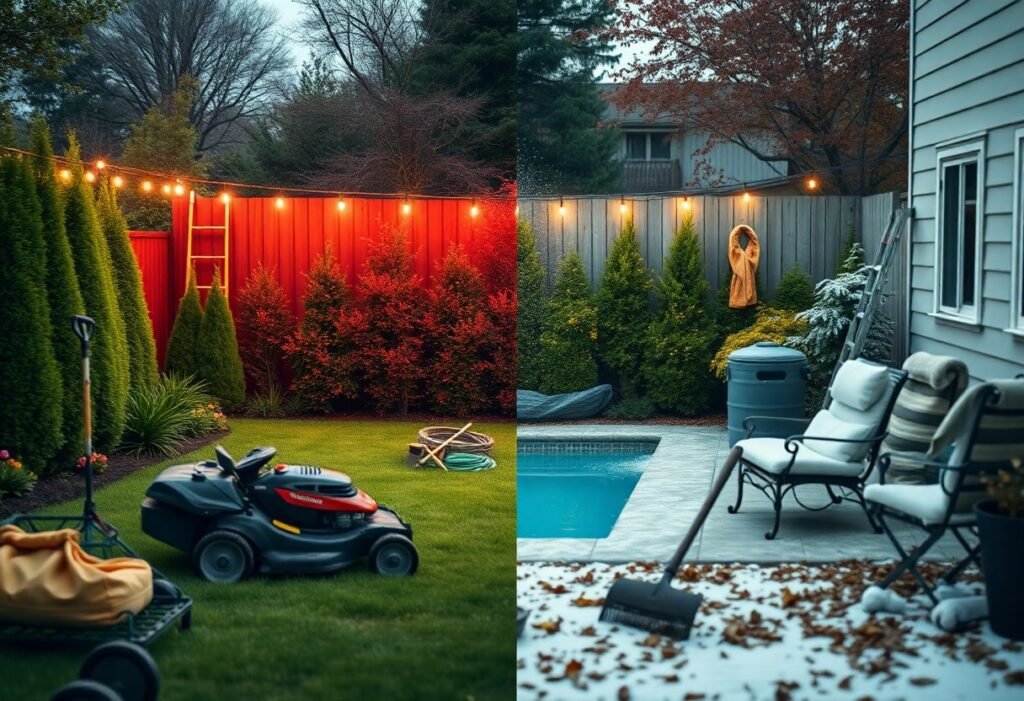
It’s time to transform your backyard into a year-round sanctuary, not through guesswork but with a clear, seasonal plan. You’ll tend to soil, plants, and structures in rhythm with nature’s shifts, addressing tasks like aerating spring lawns, trimming summer shrubs, clearing autumn leaves, and safeguarding tools in winter. Each season brings specific duties that keep your outdoor space healthy, functional, and inviting.
The Spring Awakening of the Soil
Testing and Adjusting Soil Composition
Begin by probing your garden beds with a soil test kit to determine pH and nutrient levels, especially if last season’s plants showed signs of stress. Most vegetables and ornamentals thrive in slightly acidic to neutral soil, so adjust with lime to raise pH or sulfur to lower it based on your results. A mid-sized SaaS firm might rely on data dashboards, but your garden depends on this early readout to guide amendments.
Introducing Organic Matter
Work in a 2-3 inch layer of compost or well-rotted manure using a broadfork or garden fork to preserve soil structure. This infusion boosts microbial activity and improves drainage in clay soils or water retention in sandy ones. Avoid tilling when the ground is wet to prevent compaction, which can undo months of biological rebuilding.
Summer Vigilance Under the High Sun
Watering with Precision
Early morning is your best window for watering, minimizing evaporation while ensuring roots absorb what they need. A mid-sized SaaS firm with drought-tolerant landscaping reduced runoff by adjusting sprinkler timers weekly based on actual rainfall, not schedules. Target the base of plants rather than foliage to discourage fungal growth, and consider soaker hoses for vegetable beds or dense borders where moisture retention is critical.
Managing Pests and Growth Spurts
Japanese beetles often peak in July, skeletonizing roses and grape leaves within days if unchecked. Hand-picking them into soapy water at dawn remains one of the most effective controls for small infestations. Fast-growing grass in humid regions may require mowing twice weekly, but never remove more than one-third of the blade height at once to avoid stress and brown patches.
Autumn Harvest and the Preparation for Sleep
Harvesting the Final Crops
Tomatoes ripen slowly as daylight fades, and the last of the beans cling to frost-nipped vines. You gather squash before damp soil invites rot, storing them in a cool, dry place where they’ll last through early winter. Root vegetables like carrots and beets often sweeten after a light frost, so delay pulling them until temperatures dip just below freezing. A mid-sized market garden in Vermont, for example, typically schedules its final potato dig in late October, aligning with lunar cycles and soil moisture levels.
Preparing the Soil for Winter Rest
Fallen leaves blanket the lawn in layers that can smother grass if left unchecked. Rake them into garden beds as a temporary mulch, or feed them into a compost bin where they’ll break down over months. Cut back perennials like asters and coneflowers after two hard frosts, leaving stalks at six inches to shelter beneficial insects. Plant garlic cloves now, spacing them six inches apart in enriched soil, so they establish roots before the ground freezes solid. A gardener in western Oregon often mixes in cover crops like crimson clover at this stage, knowing they’ll fix nitrogen and reduce erosion through the rainy season.
Winter Dormancy and the Care of Tools
Protecting Equipment During the Off-Season
Store your lawnmower with a clean fuel tank or add a stabilizer if left unused for months. Drain oil or replace it before storage to prevent internal corrosion, especially in gas-powered models. Wipe down metal surfaces on shovels, pruners, and shears to remove dirt and moisture, then apply a light coat of oil to inhibit rust. Keep tools in a dry shed or garage, preferably hung on pegboards to avoid floor dampness.
Preparing for Spring While the Ground Sleeps
Sharpen blade edges on edgers and pruning tools so they’re ready when growth resumes. Inspect extension cords for cracking and test outdoor power outlets for functionality. A mid-winter check of irrigation system valves and backflow preventers can catch freeze damage early. For a mid-sized SaaS firm managing its campus landscaping, this quiet season ensures equipment lasts three to five years longer with consistent upkeep.
The Perennial Philosophy of the Yard
A Cycle Without End
Each season shapes your yard in ways that echo the last and anticipate the next. Spring’s fresh growth builds on the decay of autumn leaves composted months earlier, while summer’s irrigation habits reflect lessons from last year’s drought. You begin to see patterns in the bloom of peonies, the return of earthworms after rain, and the way certain weeds emerge when the soil is disturbed. These repetitions form a rhythm that, once recognized, guides your timing and technique.
Stewardship Over Control
Healthy yards thrive not from rigid enforcement but from observation and gentle correction. You adjust mulch depth based on how quickly the soil dries, prune shrubs after watching how winter winds shaped their branches, and rotate garden beds because last season’s tomatoes showed signs of fatigue. A mid-sized SaaS firm may scale its servers, but your yard grows by a quieter logic-one rooted in patience, repetition, and the quiet confidence of knowing that some work is never truly finished, like the perennial border that returns, slightly changed, each May.
Conclusion
Each season shapes your backyard in distinct ways, demanding attention tuned to its rhythm. You prune in spring to encourage strong growth, monitor irrigation in summer’s heat, clear debris before winter’s chill sets in, and protect soil vitality through composting and cover crops. A mid-sized SaaS firm with a landscaped outdoor workspace found that aligning maintenance with seasonal shifts reduced yearly labor costs by streamlining tasks. Consistency across months ensures your yard remains resilient, functional, and visually cohesive year after year.
You cultivate more than grass and shrubs-you sustain a living system that responds to care, timing, and observation. Tasks like aerating in fall or inspecting drip lines in early summer become habits that compound in effectiveness. Documenting seasonal outcomes in a simple journal allows patterns to emerge, such as spotting fungal outbreaks after wet springs or tracking mulch decomposition rates. This long-term awareness transforms routine upkeep into informed stewardship, where each decision supports the next season’s success.