
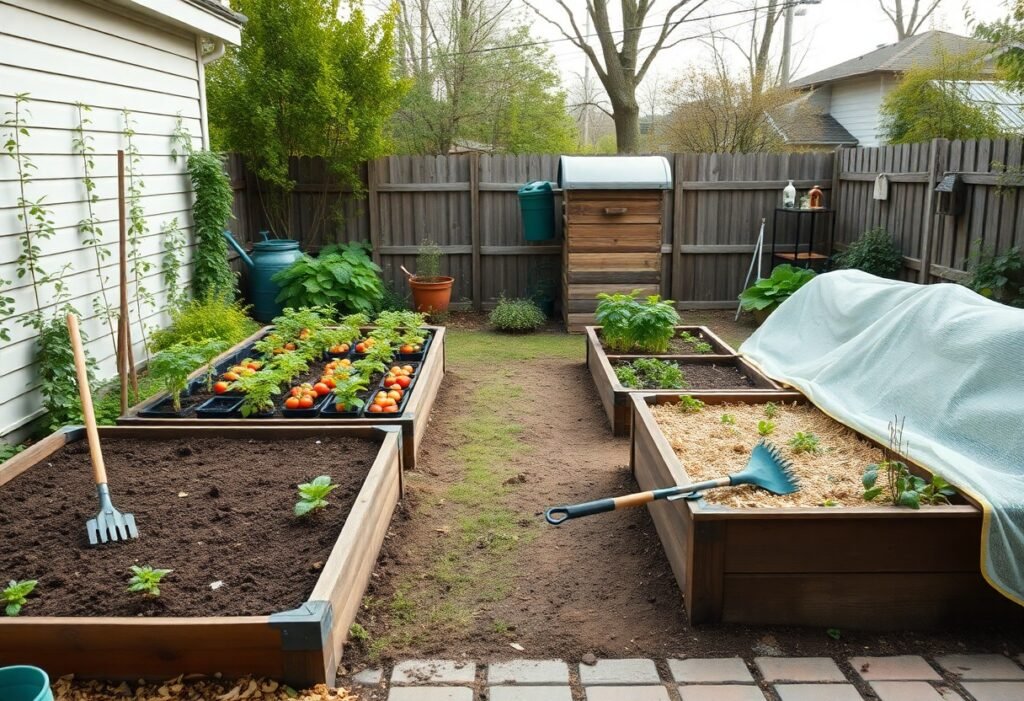
This backyard guide walks you through actionable steps to maintain a resilient, thriving outdoor space across all seasons. You’ll learn how soil health, plant selection, and consistent care shape a landscape that withstands temperature shifts, pests, and moisture fluctuations. Each recommendation is grounded in practical horticultural principles suited for typical home environments.
Identifying Critical Environmental Factors
Understanding the environmental conditions of your backyard determines the success of any landscaping effort. Soil type, sunlight duration, drainage efficiency, and local microclimates directly influence plant health and growth patterns. A shaded area with clay soil behaves differently than a sunny patch with sandy composition. Observing these elements over time provides actionable insights. This awareness guides decisions on plant selection, irrigation needs, and soil amendments.
- Test soil texture by hand to distinguish sand, silt, or clay dominance
- Use a soil test kit to determine pH levels, ideally between 6.0 and 7.0 for most plants
- Map sunlight patterns using a simple notebook or smartphone app over a three-day period
- Observe water pooling after rainfall to identify poor drainage zones
This foundation enables precise, effective yard management tailored to your specific outdoor environment.
Assessing Soil Composition and pH Levels
Soil forms the foundation of backyard health, and its composition affects nutrient availability and root development. A loamy mix with balanced sand, silt, and clay supports most vegetation, while extreme textures require amendment. Home testing kits offer a reliable way to check pH, which influences how plants absorb nutrients. Blueberries, for example, thrive in acidic soil below pH 5.5, whereas lavender prefers neutral to slightly alkaline conditions. This knowledge directs both plant choices and soil treatments.
Monitoring Sunlight Exposure and Drainage Patterns
Sunlight dictates where specific plants will flourish, with most vegetables needing at least six hours of direct light daily. Observe shadow movements from morning to evening to classify areas as full sun, partial shade, or full shade. Drainage is equally important; compacted soil or low-lying spots can drown roots or encourage fungal growth. After a rain, note how long water remains on the surface-standing water for more than two hours signals poor drainage. This spatial awareness shapes planting layouts and ground-level modifications.
Tracking these patterns across seasons reveals subtle shifts, such as increased shade from maturing trees or altered runoff due to nearby construction. A mid-sized SaaS firm in Portland adjusted its backyard garden layout after noticing a 30% reduction in afternoon sun over two years, switching from tomatoes to shade-tolerant kale and mint. This adaptability ensures long-term productivity despite changing conditions.
Selecting Optimal Vegetation Types for Every Season
Matching plants to seasonal conditions ensures consistent growth and minimizes maintenance demands. Cool-season grasses like fescue remain green through winter, while warm-season varieties such as Bermuda thrive in summer heat. Deciduous trees offer shade in summer and allow sunlight penetration in winter, enhancing microclimate control. A balanced mix supports visual appeal and ecological function across months.
The following table outlines recommended vegetation types by season:
| Season | Recommended Vegetation |
|---|---|
| Spring | Tulips, daffodils, creeping phlox |
| Summer | Bermuda grass, black-eyed Susans, lantana |
| Fall | Ornamental kale, chrysanthemums, asters |
| Winter | Winter jasmine, hellebores, evergreen ferns |
| All-Year | Liriope, sedum, yarrow |
The integration of seasonal and perennial types sustains structure and color regardless of climate shifts.
Integrating Hardy Perennials for Continuity
Perennials like coneflower and Russian sage return reliably each year, reducing replanting labor. Their deep root systems improve soil stability and water retention over time. Once established, these plants require less irrigation and resist local pests more effectively than non-native annuals. Planning clusters of overlapping bloom times ensures visual flow from early spring to late fall.
Their dormancy in winter still provides habitat and seed sources for birds and beneficial insects.
Utilizing Native Species for Resilient Growth
Native plants such as purple coneflower, switchgrass, and wild bergamot are naturally adapted to regional rainfall and soil chemistry. They typically demand fewer amendments and attract local pollinators like native bees and monarch butterflies. Once rooted, they outcompete invasive weeds and reduce erosion on slopes or bare patches.
Their co-evolution with local fauna supports a balanced backyard ecosystem.
Choosing species indigenous to your ecoregion means they are already equipped to handle seasonal droughts, temperature extremes, and common fungal pressures without chemical intervention. A mid-sized SaaS firm managing its campus landscaping reported a 40% reduction in water use after transitioning to native groundcovers. These plants often spread gradually through natural seeding, forming self-sustaining colonies that require minimal human input over time.
A Step-by-Step Guide to Seasonal Lawn Restoration
Restoring your lawn seasonally ensures consistent vigor and resilience against environmental stress. Timing and method matter as much as the tools you use. The following table outlines key actions aligned with seasonal shifts.
| Season | Action Steps |
|---|---|
| Spring | Aerate compacted soil, overseed thin areas, apply organic starter fertilizer |
| Fall | Dethatch if needed, core aerate, overseed cool-season grasses, apply compost-based fertilizer |
Implementation of Aeration and Overseeding
Core aeration removes small soil plugs to improve air, water, and nutrient movement into the root zone. Perform this before overseeding so new grass seeds make direct contact with the soil. Use a walk-behind aerator for larger yards or a manual tool for smaller areas. Aim for 20 to 40 holes per square foot to ensure adequate coverage. Immediately spread seed using a broadcast or drop spreader calibrated for your grass type.
Overseeding fills in bare spots and thickens turf to crowd out weeds. Choose seed varieties that match your existing lawn and local climate. After spreading, lightly rake to improve seed-to-soil contact and water gently twice daily until germination occurs. Avoid walking on treated areas during establishment.
Systematic Application of Organic Fertilizers
Organic fertilizers release nutrients slowly, feeding both grass and soil microbiology. Apply in spring and fall using a broadcast spreader for even distribution. Use products like composted manure, bone meal, or alfalfa-based blends tailored to your soil’s deficiencies. Follow label rates to prevent over-application, which can lead to runoff or nutrient imbalance.
Timing aligns with active root growth, so early spring and six weeks before first frost are ideal. Water the lawn lightly after application to activate breakdown without washing away material. Consistent use builds long-term soil structure and reduces dependency on synthetic inputs.
One mid-sized SaaS firm managing a corporate campus in the Pacific Northwest reported improved turf density and reduced irrigation needs after switching to a twice-yearly organic feeding schedule paired with soil testing. Their maintenance logs showed fewer applications of supplemental nutrients over three years, indicating enhanced soil retention and microbial activity.
Essential Tips for Sustainable Pest and Weed Management
Maintaining balance in your backyard ecosystem begins with encouraging natural predators like ladybugs and lacewings by planting native flowering herbs such as dill or yarrow. Chemical interventions disrupt this equilibrium, often leading to resistant weed strains or secondary pest outbreaks. Instead, adopt preventive practices such as crop rotation in garden beds and proper spacing to reduce fungal risks. Hand-pulling weeds after rainfall ensures removal of roots before seed dispersal. The consistent use of organic methods sustains soil integrity and long-term plant health.
- Introduce beneficial insects like nematodes to target grubs
- Use physical barriers such as row covers for vegetable beds
- Apply corn gluten meal in early spring to inhibit weed germination
- Trim grass edges regularly to prevent invasive species migration
Natural Deterrents and Companion Planting
Marigolds planted along tomato rows repel nematodes while basil interplanted with peppers deters aphids and improves flavor. Strong-scented herbs like mint or rosemary confuse pests searching for host plants. Garlic chives near apple trees can reduce codling moth presence without synthetic sprays. These pairings rely on olfactory disruption and habitat diversification. The strategic placement of companion plants reduces reliance on external inputs while enhancing biodiversity.
Effective Mulching for Moisture Retention
Organic mulches such as shredded bark or straw create a protective layer that slows evaporation and moderates soil temperature swings. A two-inch depth is sufficient to suppress annual weeds without smothering soil life. Over-mulching around tree trunks invites rot and rodent activity, so leave a small gap at the base. The reduced need for watering during dry spells conserves resources and stabilizes root environments.
Wood chip mulch from local arbor services often contains small amounts of leaf matter and fungi that gradually enrich the soil as they decompose. Unlike synthetic ground covers, organic mulch feeds earthworms and microorganisms necessary for nutrient cycling. The slow breakdown process means replenishment is needed only every one to two years in most climates.
Evaluating the Pros and Cons of Irrigation Systems
Automated irrigation systems offer consistent water delivery but require careful assessment before installation. Your choice impacts both lawn health and long-term maintenance effort. The following table outlines key considerations to guide your decision.
| Factor | Details |
|---|---|
| Water Efficiency | Automated drip lines reduce runoff and evaporation compared to manual methods |
| Installation Cost | Initial setup can exceed several hundred dollars depending on yard size |
| Labor Savings | Timers eliminate daily hose dragging, especially beneficial for large landscapes |
| System Maintenance | Drip emitters may clog; sprinkler heads require seasonal inspection |
| Customization | Zoning allows tailored watering for gardens, turf, and shrubs |
| Water Waste Risk | Poor calibration leads to overwatering, encouraging root rot |
| Weather Adaptability | Smart controllers adjust schedules based on rainfall or temperature |
| Lifespan | Well-maintained systems typically last 10-15 years |
| DIY Feasibility | Drip kits are user-installable; in-ground sprinklers often require professionals |
| Seasonal Flexibility | Manual systems allow immediate adjustment without reprogramming |
Efficiency Benefits of Automated Drip Lines
Drip irrigation delivers water directly to plant roots, minimizing loss from wind or evaporation. You can maintain even moisture levels critical for vegetable beds or drought-sensitive perennials. A mid-sized SaaS firm managing a demonstration garden reduced weekly water use by switching to zone-controlled drip lines. Timers ensure delivery during early morning hours, aligning with natural dew cycles and reducing fungal risk.
Limitations and Costs of Manual Watering
Hand watering offers control but demands consistent time investment. You may overlook areas or overwater containers due to fatigue or schedule changes. Without a timer, daily attention is required even during travel, often necessitating help from neighbors or services. Uneven saturation can stress shallow-rooted plants, especially in clay or compacted soils.
Extended absence increases the likelihood of plant loss, particularly in summer months when container soil dries within hours. A homeowner with a 0.2-acre lot reported spending nearly eight hours weekly during peak season dragging hoses and adjusting sprinklers. Labor accumulates quickly, making manual methods less sustainable over time despite low startup costs.
Strategic Pruning and Winterization Methods
Protecting Sensitive Flora from Extreme Frost
Wrap tender shrubs like gardenias or young citrus trees with breathable horticultural fleece before the first hard freeze. Secure the material without compressing the branches, allowing air circulation while shielding foliage from ice buildup. For potted plants, move them close to the house foundation where radiant heat offers slight protection. A thick layer of mulch around the base of borderline-hardy perennials, such as lavender or rosemary, insulates roots during prolonged cold snaps.
Promoting Vigorous Growth via Correct Cutting Techniques
Prune dormant deciduous trees in late winter to encourage strong spring growth, removing inward-growing or crossing branches. Make clean cuts just above an outward-facing bud at a 45-degree angle to shed water and direct new shoots away from the center. For flowering shrubs that bloom on old wood, like azaleas or lilacs, limit pruning to immediately after flowering to preserve next season’s buds. Avoid heavy trimming in fall, which can stimulate tender growth vulnerable to frost.
Timing and precision shape long-term plant health. Cutting too close to the trunk damages the branch collar, inviting disease, while leaving stubs promotes dieback. Use sharp bypass pruners for stems under an inch and a pruning saw for larger limbs. A mid-sized SaaS firm managing its campus landscaping reduced plant replacement costs by focusing on proper technique rather than frequency. Each cut serves a purpose-structure, airflow, or sunlight penetration-not just size reduction.
To wrap up
Consistent seasonal attention ensures your backyard remains resilient and vibrant throughout the year. Applying the right cultural practices at the right time, such as aerating in early fall or mulching before frost, supports root development and soil health in ways that reactive measures cannot match.
A mid-sized SaaS firm with a demonstration garden in Portland reduced irrigation needs by adjusting plant groupings according to sun exposure and seasonal rainfall patterns, proving that observation-based planning yields measurable results. Your ongoing commitment to tailored maintenance shapes a landscape that thrives with minimal intervention.