
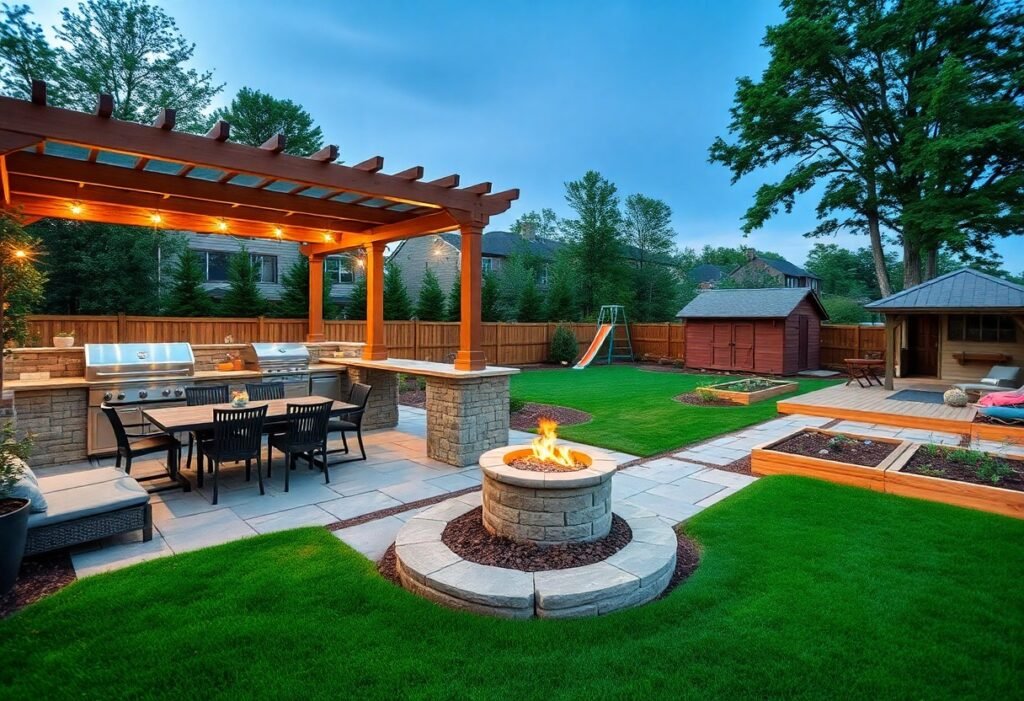
Over time, your backyard should evolve into more than just grass and a fence, becoming an extension of how you live, relax, and entertain. You use this space to host weekend barbecues, practice yoga at sunrise, or give your kids room to play. Every decision, from layout to materials, must align with your daily routines and long-term habits, ensuring the design supports your life, not the other way around.
Assessing Core Lifestyle Factors
- Identify how you currently use your outdoor space
- Consider seasonal variations in activity patterns
- Account for children, pets, and guest frequency
- Align design goals with daily routines and free time
The foundation of a functional backyard begins with understanding your household’s rhythms. Your outdoor environment should reflect how you live now, not an idealized version of leisure. A retired couple may prioritize gardening and quiet seating, while a family with young children might need open play areas and durable surfacing.
Identifying primary outdoor activities and goals
Think about the activities you actually engage in outdoors rather than generic aspirations. If weekend barbecues are routine, a permanent grill station with prep space makes sense. A mid-sized SaaS firm employee who works remotely may benefit from a covered nook for laptop use beneath shade trees. The
Evaluating household size and pet requirements
Household composition directly shapes spatial needs and material choices. A compact patio may suffice for two adults without children, but a family of five requires broader circulation paths and distinct zones. Pet considerations extend beyond lawn access; high-traffic dog routes demand resilient ground cover like artificial turf or gravel. Fencing height and gate latches must align with animal behavior patterns.
Large dogs with high energy levels often develop worn trails across grass, leading to erosion and patchy terrain. Installing designated dog runs or mulched exercise areas prevents damage to ornamental beds. The
How to Analyze Your Existing Landscape
Mapping sun exposure and wind patterns
Observe your yard at different times throughout the day to understand where sunlight lingers and where shadows fall. A south-facing area may receive six or more hours of direct light, ideal for vegetable gardens or seating zones needing warmth. Wind tends to funnel through gaps between structures, so note gusty spots that could affect outdoor comfort or plant survival. Use simple tools like a compass and a notebook to track patterns over several days.
Identifying drainage issues and soil quality
Puddles lingering hours after rain signal poor drainage, often near downspouts or low-lying regions. Clay-heavy soil resists water infiltration, while sandy patches dry too quickly for most plants. Walk your property after a storm to trace water flow and mark trouble zones. A mid-sized SaaS firm managing its campus landscaping once redirected runoff by reshaping a slight slope, preventing erosion near a planned pergola.
Soil texture and composition directly influence plant health and hardscape stability. Perform a jar test by shaking soil and water in a sealed container to see how silt, sand, and clay separate into layers. Compacted ground may require aeration before planting or laying turf. Raised beds offer a workaround in areas with rocky or waterlogged subsoil, improving root development and garden usability.
Zoning Your Space for Maximum Functionality
Creating distinct areas for dining and relaxation
Position your dining set near an outdoor kitchen or serving counter to streamline meal prep and cleanup. A mid-sized SaaS firm’s CEO, for example, installed a teak table under a pergola, creating a defined spot for both family dinners and client lunches.
Relaxation zones work best when anchored by comfortable seating and shade. A sectional sofa beside a fire pit encourages evening gatherings, while a hammock strung between trees offers a quiet retreat for reading or resting.
Integrating utility zones for storage and gardening
Store tools and supplies in a weather-resistant shed or built-in bench with hidden compartments. This keeps equipment accessible yet out of sight, preserving the yard’s clean appearance.
Gardening stations function efficiently when located near water sources and sunlight. Include a potting table and labeled bins for soil, seeds, and gloves to maintain organization.
One designer in Portland incorporated a vertical herb garden adjacent to a latched storage cubby, allowing urban clients to grow fresh produce without sacrificing floor space. The cubby also housed compost bins and folding chairs, proving utility zones can be both practical and unobtrusive.
Expert Tips for Sustainable Material Selection
Material choices directly influence both environmental impact and long-term usability. Prioritize recycled composite decking, reclaimed wood, or FSC-certified timber to reduce ecological strain without sacrificing durability. Locally sourced stone or pavers cut transportation emissions and blend naturally with regional aesthetics. Recycled glass countertops or crushed concrete base layers add functional innovation while diverting waste from landfills.
- Use permeable pavers to support natural water drainage
- Opt for metal or clay roofing materials on outdoor structures for longevity
- Select finishes and sealants with low volatile organic compounds
- Incorporate salvaged bricks or timbers from local demolition sites
The integration of these materials in a mid-sized SaaS firm’s campus courtyard reduced maintenance costs by streamlining replacements and chemical treatments over five years.
Choosing low-maintenance hardscaping elements
Concrete pavers set in a sand base allow for easy repairs and resist shifting in freeze-thaw cycles. Gravel pathways cost less upfront and require minimal upkeep when lined with sturdy edging. Pre-cast concrete benches or planters withstand weather extremes and eliminate the need for annual sealing. Metal railings with powder-coated finishes resist rust and retain appearance with occasional rinsing.
The consistent use of these elements in a Denver residential project reduced annual maintenance labor by over 40 hours.
Selecting climate-appropriate and native plants
Native grasses like little bluestem thrive in dry Midwest summers with no supplemental watering. California fuchsia attracts hummingbirds and blooms through drought conditions in coastal zones. Adapted species such as river birch handle humid Southeastern heat while providing shade. These plants establish faster, resist local pests, and support pollinators without synthetic inputs.
Their root systems often extend deeper than non-natives, improving soil structure and reducing erosion on slopes.
A xeriscaped Austin yard using blackfoot daisy, Texas sage, and sotol cut irrigation needs by nearly two-thirds compared to a traditional lawn, maintaining full coverage and seasonal color year-round.
How to Enhance Privacy and Security
Utilizing natural screens and architectural barriers
Evergreen hedges like arborvitae or bamboo grow densely and maintain coverage year-round, forming living walls that buffer noise and block unwanted views. A mid-sized SaaS firm with a home office might use a six-foot wooden fence combined with climbing vines to shield outdoor meetings from neighboring windows.
Stone walls or lattice panels offer structural definition while supporting privacy plants, blending function with aesthetic appeal. These elements can be positioned to create secluded zones without making the yard feel closed off.
Strategic placement of perimeter lighting
Motion-sensor lights installed along pathways and near entry points deter intruders while guiding safe movement at night. Focus illumination on ground level rather than upward to minimize glare and light pollution.
Low-voltage LED fixtures spaced evenly around the property’s edge highlight changes in elevation and keep gathering areas visible after dark. A well-lit backyard reduces tripping hazards and discourages unauthorized access.
Position lights to avoid casting shadows behind large shrubs or structures where visibility drops. Illuminating the base of fences and gates ensures no corner remains hidden, reinforcing both safety and surveillance. Solar-powered bollard lights along a gravel path provide consistent guidance without trenching for wiring.
Budgeting and Project Planning Essentials
Setting a realistic financial framework
Begin by outlining all potential expenses, from materials and labor to permits and contingency funds. A mid-sized SaaS firm might allocate 15% of its office renovation budget for unexpected costs, and a similar principle applies outdoors. Your backyard project should include line items for grading, irrigation adjustments, and utility checks, even if they aren’t immediately visible. Assign dollar ranges to each zone based on its intended use-outdoor kitchens require more investment than simple seating areas.
Prioritizing construction phases for long-term growth
Start with foundational elements like drainage and structural grading, which prevent costly repairs later. Install utility lines for future features such as lighting or a water feature, even if you won’t use them for years. A homeowner in Portland phased their project over three years, beginning with permeable paving, then adding a covered pergola, and finally integrating native plant beds. Completing infrastructure early supports seamless expansions.
Structural durability determines how easily your space adapts. Laying underground conduit for electrical lines allows you to add outlets or landscape lighting without reworking hardscapes. Build permanent footings for modular structures so they can be upgraded without demolition. This method was used in a Seattle backyard where a temporary fire pit evolved into a built-in seating wall with hidden storage.
Summing up
Designing a functional backyard means aligning your outdoor space with how you actually live, entertain, and relax. If you host frequent gatherings, a defined dining zone with durable seating and weather-resistant surfaces supports consistent use without constant upkeep. For families, integrating low-maintenance play areas with soft surfacing and shaded spots ensures daily usability across seasons.
Your lifestyle dictates the layout, materials, and features that will serve you long-term. A mid-sized SaaS firm founder in Portland transformed a sloped yard into tiered zones using native plants and repurposed stone, reducing irrigation needs while creating distinct areas for work calls and evening downtime. Your choices today shape not just aesthetics but lasting outdoor functionality.