
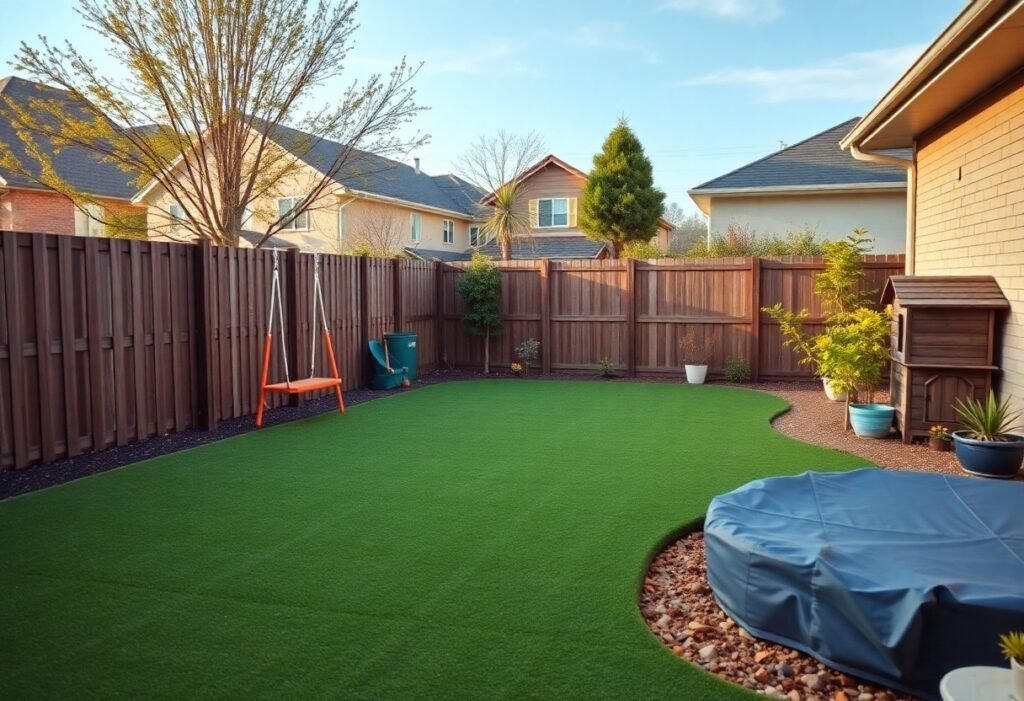
Over 4.8 million U.S. home injuries each year occur in outdoor spaces, many involving children and pets. You can reduce risks by rethinking layout, materials, and access points. A well-designed backyard balances safety with usability, preventing accidents without sacrificing enjoyment. You’ll need to evaluate existing features, choose appropriate barriers and surfaces, and proactively manage hazards like water, plants, and tools. This guide walks you through each step with practical, actionable strategies.
Factors for Assessing Potential Landscape Hazards
Begin by walking through your yard with a critical eye, noting any elements that could pose risks to children or pets. Common hazards include toxic plants, unstable structures, sharp objects, and tripping points. Keep a checklist to document each potential danger, prioritizing removal or modification based on likelihood and severity of harm. This systematic evaluation forms the foundation of a safer outdoor space.
- Inspect for poisonous flora such as oleander or lily of the valley
- Check fences, decks, and retaining walls for structural integrity
- Identify uneven ground, exposed roots, or hidden depressions
- Remove or secure garden tools, loose wires, and debris
This proactive approach reduces preventable accidents and supports long-term safety.
Identifying and removing toxic plant species
Many common ornamental plants contain toxins that can cause illness if ingested by children or pets. Examples include foxglove, azalea, and sago palm, all of which have documented cases of poisoning in household settings. Learn to recognize these species by their leaves, flowers, and growth patterns. Local extension offices or botanical gardens often provide free identification resources.
This awareness enables timely removal and replacement with non-toxic alternatives like marigolds or sunflowers.
Evaluating structural risks and uneven terrain
Wobbly handrails, cracked pavers, and sunken pathways create tripping hazards, especially during active play. Inspect elevated structures like decks and playhouses for loose nails, splintered wood, or unstable supports. Pay close attention to areas where children frequently run or ride toys, as repeated foot traffic can worsen existing flaws over time.
This regular assessment helps catch small issues before they become serious safety concerns.
Retaining walls older than ten years may develop bulges or shifts due to soil pressure, particularly after heavy rains. Wooden steps exposed to moisture can rot at the base, compromising stability. Address these issues by reinforcing supports, regrading slopes, or installing drainage solutions to prevent water accumulation. This maintenance preserves both safety and structural longevity.
How to Select and Install Secure Fencing
Choosing durable and non-climbable materials
Materials like wrought iron, solid vinyl, or tightly spaced metal panels resist climbing and withstand weather extremes. Chain-link fencing, while affordable, often allows small hands and paws to grip and scale. A mid-sized SaaS firm’s suburban office converted its perimeter to 6-foot privacy fencing with reinforced posts after repeated pet escapes. Solid barriers without horizontal rails discourage climbing attempts from both children and animals. Perceiving safety as an ongoing priority shapes long-term material decisions.
Essential tips for child-proof and pet-proof gates
Self-closing, self-latching gates prevent accidental access when hands are full or attention lapses. Position the latch at least 54 inches high, beyond the reach of most young children, and ensure it releases only with a deliberate downward or sideways motion. Use gate alarms to alert you if someone opens the entry unexpectedly. For double gates, install a drop bolt at the top or bottom to block gaps. Perceiving small behaviors-like a toddler mimicking adult movements-helps anticipate risks.
- Install hinges on the inside to prevent tampering
- Choose latches that require coordinated motor skills to operate
- Test gate swing clearance to avoid pinching hazards
- Ensure no gaps exceed 3.5 inches to prevent head entrapment
Factors for Choosing Safe Ground Cover Materials
Selecting appropriate ground cover involves balancing safety, durability, and ease of maintenance. Materials should cushion falls, resist splintering or fragmentation, and remain stable under foot. Avoid sharp-edged stones, chemically treated mulches, or turf with toxic infill. Opt instead for non-toxic, low-allergen options that drain well and don’t harbor pests. Assume that children and pets will interact directly with the surface through play, rolling, or digging.
Comparing pet-friendly turf and organic mulch
Comparison of Key Properties
| Pet-Friendly Turf | Organic Mulch |
| Synthetic, consistent surface | Natural, variable texture |
| Resists digging and compaction | Can be displaced easily |
| Low maintenance, no allergens | May harbor mold or insects |
| Higher upfront cost | Requires seasonal replenishing |
Maintenance tips to prevent allergen and pest buildup
- Clean synthetic turf monthly with water and mild vinegar solution
- Rake organic mulch weekly to prevent matting and moisture traps
- Replace moldy or compacted mulch promptly
- Keep turf drains clear of pet waste and debris
Thou shalt inspect ground covers seasonally for signs of wear, contamination, or pest activity.
- Trim overhanging foliage to reduce shade and dampness
- Avoid cocoa bean mulch, which is toxic to dogs
- Use cedar mulch sparingly, as its oils may irritate sensitive skin
- Flush artificial turf after pet use to minimize odor and bacteria
Thou shalt prioritize non-porous, quick-drying surfaces in high-traffic zones.
How to Secure Water Features and Swimming Pools
Installing physical barriers and safety covers
Secure fencing around pools must be at least four feet high with self-closing, self-latching gates that open outward. Install rigid pool covers that can support weight, rather than floating solar blankets, which offer no barrier to entry. Choose covers compliant with ASTM safety standards to ensure reliability. Anchor all edges firmly to prevent gaps a child or pet could slip through. This reduces unsupervised access during off-hours.
Visibility factors and motion-sensor alarm systems
Clear sightlines from the house to the pool area allow for constant supervision during play. Avoid placing planters, furniture, or decorative elements that obstruct views. Motion-sensor alarms can detect surface disturbances and sound an alert within seconds. Some systems integrate with smart home networks to send mobile notifications. This provides an extra layer of monitoring when visual oversight is limited.
- A door alarm alerts you when someone exits the house toward the pool
- Surface wave sensors trigger within seconds of contact
- Submersion alarms detect objects sinking below the surface
This ensures immediate awareness of unexpected entries, especially during twilight hours.
Tips for Designing Specialized Play and Exercise Zones
Design distinct areas tailored to the energy levels and needs of children and pets. A dedicated play zone for kids might include a swing set, sandpit, or climbing structure spaced at least six feet from walls or fences. For pets, consider a contained run or agility course with jump bars and tunnels. Use low-maintenance borders like composite edging or raised planters to define boundaries without sharp corners. Any layout should allow clear sightlines from the house for supervision.
Creating designated spaces for pets and children
Separate zones prevent conflicts and support age-appropriate activities. Install a fenced dog run with durable turf or gravel for easy cleanup. For children, use soft rubber surfacing under play equipment to reduce injury risk. Include a shared open lawn area for interactive games. Position play structures away from high-traffic paths. Any division should balance visibility, accessibility, and safety.
Incorporating imperative shade and hydration factors
Shade structures protect sensitive skin during peak sun hours. Install a permanent pergola, retractable canopy, or natural cover using fast-growing trees like maple or birch. Place pet-friendly water stations at both ends of the yard, especially near exercise zones. Include a shallow splash pad or kiddie pool that drains completely to deter mosquitoes.
- Use UV-blocking shade sails rated for 90% sun reduction
- Position benches under cover for caregiver comfort
- Install motion-activated pet fountains with filters
- Choose non-porous materials to prevent algae buildup
Recognizing that heat stress can develop rapidly in animals and young children, plan for multiple cooling access points.
How to Manage Garden Chemicals and Equipment
Transitioning to organic fertilizers and pest control
Switching to organic fertilizers like compost or worm castings supports soil health without introducing synthetic residues. Neem oil, diatomaceous earth, and insecticidal soaps offer effective pest control with lower toxicity for children and pets. A mid-sized SaaS firm maintaining a demonstration garden reported fewer incidents of pet irritation after eliminating chemical pesticides. These alternatives break down naturally, reducing long-term environmental impact.
Secure storage tips for tools and hazardous substances
Store all gardening tools and hazardous materials in a locked shed or cabinet, out of reach of small hands and curious animals. Use childproof latches on containers holding fertilizers, herbicides, or motorized equipment fuel. Keep items organized and clearly labeled to prevent accidental misuse.
- Place storage units on higher shelves or behind secured doors
- Use original containers with intact labels for all chemicals
- Dispose of expired products through municipal hazardous waste programs
Perceiving safety as an ongoing practice ensures your garden remains a secure environment year after year.
To wrap up
Designing a backyard that protects children and pets requires consistent attention to detail, from choosing non-toxic plants to installing secure fencing with self-latching gates. You eliminate common risks by anchoring loose tools, storing fertilizers out of reach, and enclosing pools with four-sided barriers. A mid-sized SaaS firm with a family-friendly office courtyard, for example, applied similar protocols to maintain safety without sacrificing aesthetics.
You create a space where play and relaxation coexist when ground covers like rubber mulch replace jagged gravel near swing sets and sandboxes. Routine inspections of fences, decks, and irrigation systems ensure hazards don’t reemerge over time. Your ongoing vigilance turns preventive measures into lasting habits, such as positioning bird baths away from play zones and using cordless garden tools to reduce tripping risks.