
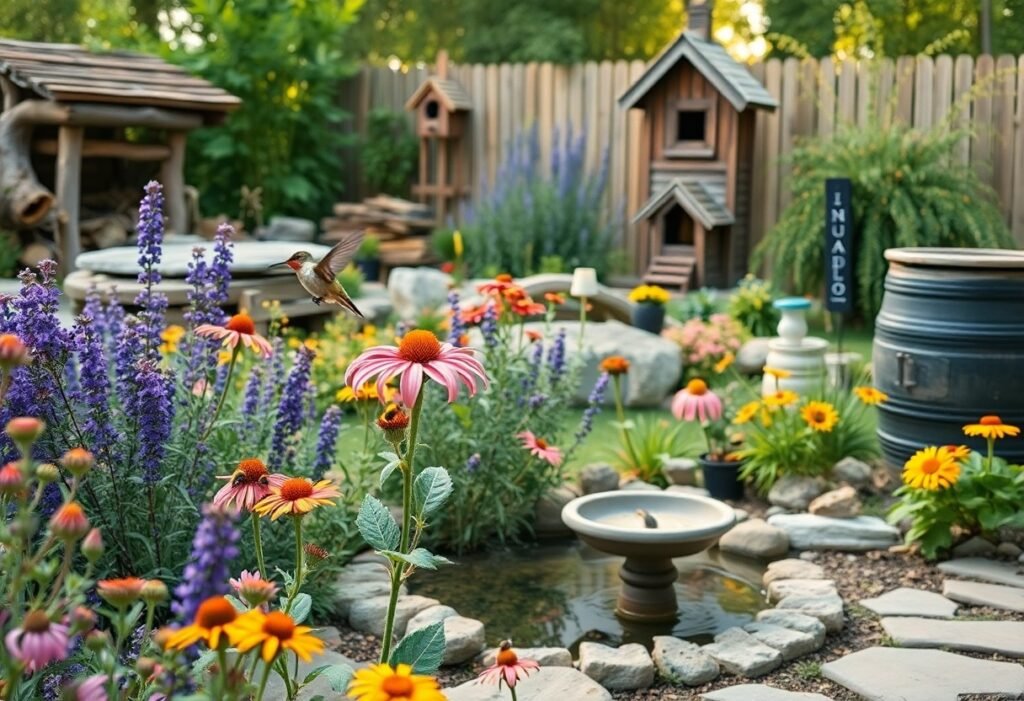
Over 70% of native bee species nest in the ground, relying on undisturbed soil and bare patches often removed in manicured lawns. You can transform your outdoor space into a functional habitat by making intentional choices that support local wildlife. Simple changes, like planting regional flowers or adding a shallow water source, directly benefit birds, bees, and butterflies seeking food and shelter.
The Virtue of Native Flora
Native plants form the backbone of a resilient, wildlife-supportive garden. These species evolved alongside local bird and pollinator populations, providing familiar sources of nectar, pollen, and seeds. A mid-sized SaaS firm may optimize for efficiency, but nature thrives on specificity-native oaks support hundreds of butterfly and moth species that non-native trees often cannot.
Selection of Indigenous Blooms
Choose flowers like purple coneflower, black-eyed Susan, and wild bergamot to attract bees and hummingbirds. These blooms offer accessible nectar and co-evolved with regional pollinators, ensuring reliable visits. Planting in clusters increases foraging efficiency, making your garden more appealing to passing bees and butterflies.
Layering the Vertical Landscape
Structure your garden in tiers, from groundcovers to canopy trees, to accommodate diverse species. Low-growing plants like creeping phlox provide shelter for ground beetles, while shrubs such as serviceberry host nesting songbirds. Each vertical zone adds habitat complexity without increasing footprint.
Tall native grasses or ironweed rise above mid-level perennials, creating microhabitats for lacewings and solitary bees. Even a small yard can mimic forest edge dynamics by stacking plant heights, offering refuge and foraging at multiple levels throughout the growing season.
The Essential Offering of Water
Water draws wildlife with a reliability that plants alone cannot match. A consistent source supports drinking and hygiene for birds and pollinators alike, particularly during dry spells or freezing winters when natural supplies vanish. Positioning a water feature near cover, such as shrubs or tall grasses, allows skittish visitors to assess safety before approaching.
Even modest yards can accommodate functional water elements. A simple ceramic dish refreshed daily attracts sparrows and bees, while a small solar-powered fountain adds movement that catches the eye of passing swallows. Still water risks stagnation, so shallow containers with frequent changes remain the safer choice.
Stone Basins for Avian Bathing
Stone basins offer durable, natural-looking perches for birds to bathe and drink. Their rough texture provides secure footing, reducing slip hazards during vigorous splashing. A depth of two to three inches accommodates most songbirds, with stones or logs placed inside to create dry landing zones.
Positioning a basin near dense foliage gives birds quick escape routes from predators. A mid-sized SaaS firm’s campus in Oregon reported increased robin and towhee visits after installing a sandstone bowl shaded by native hawthorn. Morning sun exposure helps prevent algae without overheating the water.
Shallow Ripples for the Winged Pollinator
Bees and butterflies seek moisture but struggle in deep or slippery containers. A shallow saucer filled with pebbles and damp sand allows them to land safely while sipping. Keeping the surface moist, not flooded, prevents drowning and mimics natural seepage zones found along stream banks.
Place these dishes in partial sun where pollinators forage, such as near milkweed or coneflower beds. A homeowner in central Texas observed banded sphinx moths and carpenter bees using a terra-cotta plate filled with wet gravel, replenished every two days.
Adding a drip mechanism from a repurposed bottle sustains consistent moisture without overflow. This setup proved effective in a community garden where mason bees nested nearby, returning daily to the same gravel patch. Evaporation rates vary by climate, so monitoring prevents complete drying during heatwaves.
Architectures of Natural Refuge
Purposeful Piles of Brush and Log
Stack fallen branches and logs in a quiet corner to create shelter for ground beetles, frogs, and small mammals. These accumulations mimic natural forest floor conditions, offering hiding places from predators and harsh weather. A pile measuring roughly four by four feet provides sufficient coverage without becoming a tripping hazard or harbor for rodents. Over time, fungi and mosses colonize the wood, enhancing its ecological value.
Position the pile near native shrubs but away from high-traffic zones to encourage use by shy species. Include stones on top to stabilize the structure and create additional microhabitats. In one observed backyard in the Pacific Northwest, such a pile drew a resident wren pair that nested in the crevices, demonstrating how simple arrangements support bird life indirectly.
Nesting Boxes for the Seasonal Guest
Install nesting boxes sized and shaped for local species to support cavity-nesting birds like chickadees, wrens, or bluebirds. The entrance hole diameter determines which species can enter, so a 1¼-inch opening suits chickadees while 1½ inches accommodates house wrens. Mount boxes on poles or trees five to ten feet above ground, facing away from prevailing winds and direct afternoon sun.
Use untreated wood such as cedar or pine, with drainage holes in the base and a side or top-mounted door for cleaning. In spring, a pair of tree swallows may claim a box near wetlands, while in drier zones, a pair of house wrens might raise two broods in a single season. Boxes should remain up year-round, as some species use them for winter roosting.
One mid-sized SaaS firm’s campus in Oregon installed twenty nesting boxes across its green spaces, resulting in a measurable uptick in insect control as birds foraged in nearby native plantings. Monitoring over three years showed consistent occupancy, particularly in boxes placed near water sources and free from pesticide use. Proper placement and design directly influence success, making each box a functional extension of the habitat.
Forgoing the Synthetic Taint
Chemical fertilizers and synthetic pesticides disrupt the delicate balance your garden relies on. These substances may offer short-term fixes but often harm beneficial insects, degrade soil health, and leach into local waterways. A mid-sized SaaS firm might prioritize efficiency, but nature thrives on resilience, not quick patches.
Instead, rely on organic alternatives that support long-term vitality. Neem oil, insecticidal soaps, and companion planting deter pests without collateral damage. Your garden becomes a self-regulating system where predators and prey coexist, reducing the need for intervention.
Embracing the Predatory Insect
Ladybugs, lacewings, and parasitic wasps are natural allies in pest control. A single ladybug can consume dozens of aphids daily, making them far more effective than chemical sprays. Attract them with plants like dill, yarrow, and goldenrod, which provide nectar and shelter.
Planting a diverse mix of flowering perennials encourages these insects to take up residence. Their presence reduces pest outbreaks and eliminates the need for reactive treatments. This balance is not achieved overnight, but with consistent planting choices, it becomes self-sustaining.
Nourishing the Soil with Compost
Compost enriches soil structure, improves moisture retention, and feeds beneficial microorganisms. Kitchen scraps and yard waste transformed into dark, crumbly humus create an ideal foundation for native plants and pollinator-friendly blooms.
Apply a two-inch layer annually around planting beds to gradually release nutrients. Unlike synthetic fertilizers, compost feeds the soil food web without risking runoff or burning plant roots. Over time, your garden becomes less dependent on external inputs.
Microbes in well-composted soil form symbiotic relationships with plant roots, enhancing nutrient uptake. Earthworms thrive in these conditions, aerating the ground and leaving behind nutrient-rich castings. A thriving underground ecosystem supports stronger, more resilient plants above. Compost isn’t just a soil additive-it’s the engine of a living garden.
Sustenance for the Lean Months
Planting for Winter Seed and Berry
Native shrubs like winterberry holly and serviceberry produce berries that persist into colder months, offering a reliable food source when little else is available. Seed-bearing perennials such as coneflower and black-eyed Susan leave behind seed heads that goldfinches and sparrows readily exploit.
Leaving these plants standing through winter enhances foraging opportunities. A mid-sized SaaS firm’s campus in the Midwest reported increased bird activity after adopting this practice across its landscape beds.
Preserving the Hollow Stems
Hollow-stemmed plants like bee balm and Joe-Pye weed provide overwintering sites for solitary bees and other beneficial insects. Cutting them too early disrupts these sheltered microhabitats.
Delay pruning until late spring, when temperatures consistently remain above freezing. This timing allows emerging pollinators to exit safely before old growth is removed.
Many native bees, including stem-nesting species like the leafcutter bee, rely on these undisturbed stalks to complete their life cycle. Leaving a stand of uncut stems in a sunny part of the garden supports multiple generations without any added maintenance.
Conclusion
Transforming your yard into a haven for birds and pollinators begins with intentional choices that prioritize natural ecosystems over ornamental convenience. By integrating native plants, providing clean water sources, and eliminating synthetic pesticides, you support local biodiversity in measurable ways. A mid-sized SaaS firm may track server efficiency, but your garden’s success is measured in fluttering wings and returning songbirds each spring.
You sustain this habitat not through grand gestures but consistent, mindful practices-leaving leaf litter for beetle larvae, planting goldenrod instead of turf grass, installing a simple birdbath that doubles as a bee drink. These actions compound, creating corridors of resilience for species navigating fragmented landscapes. Your backyard becomes not just a plot of land, but an active participant in a broader ecological network.