
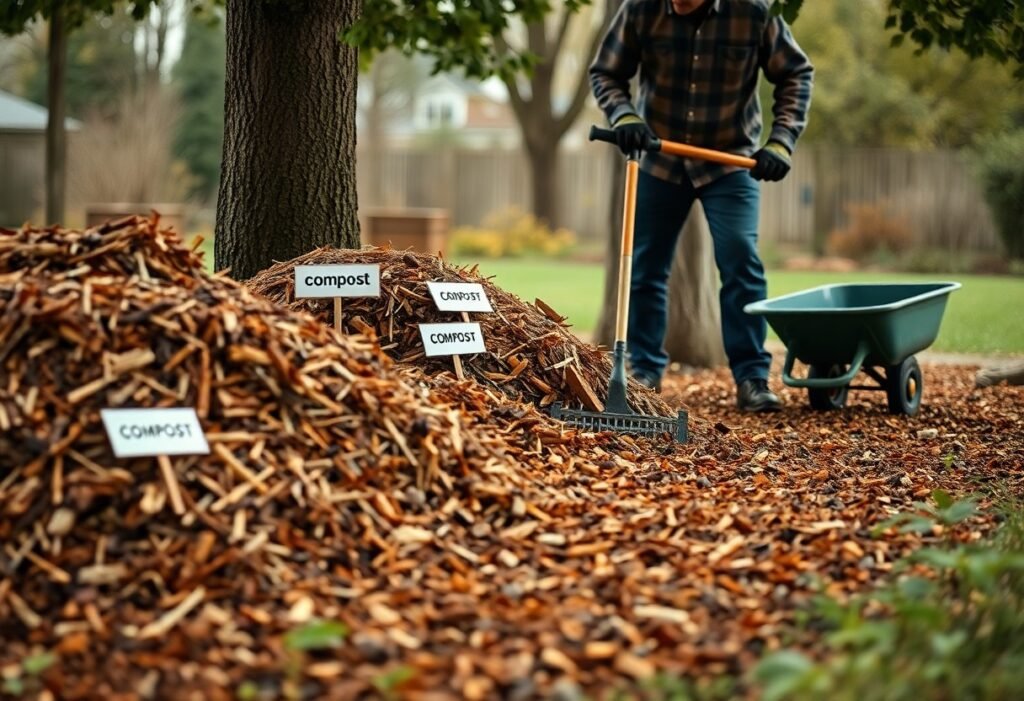
There’s a quiet transformation happening beneath your garden’s surface, one that begins with a simple layer of material spread over the soil. You’re already shaping that change every time you choose what to use, how much to apply, and when to refresh it. Mulching influences moisture, temperature, weeds, and soil health in ways both subtle and profound, and your decisions directly determine its effectiveness.
The Soil’s Humble Shield
Protection Through Simplicity
Organic mulch forms a protective barrier that buffers soil temperature, keeping root zones cooler in summer and insulated during winter frosts. A layer of shredded bark or straw can reduce daily temperature swings by several degrees, creating a more stable environment for microbial activity and root development. You benefit from fewer plant stresses and less frequent watering as moisture evaporation slows beneath this natural blanket.
Feeding the Ground Beneath
As mulch breaks down, it releases nutrients and increases soil organic matter, improving structure and water retention over time. You’ll notice earthworm populations rising in beds where leaf mold or compost has been applied annually, a sign of thriving soil biology. This slow decomposition mimics forest floor processes, turning what was once surface debris into a living component of garden health.
Materials of the Living World
Organic Mulches
Wood chips, straw, and shredded bark break down over time, enriching the soil with organic matter and improving its structure. You’ll find these materials especially effective around trees, shrubs, and in garden beds where long-term soil health is a priority. As microbes and earthworms consume the decomposing layer, they enhance aeration and nutrient availability, creating a living ecosystem beneath the surface.
Grass Clippings and Compost
Fresh grass clippings spread thinly prevent weeds and retain moisture, though thick layers can compact and smell. You can blend them with dried leaves or apply them in successive thin coats to avoid issues. Compost used as mulch offers immediate nutrient release, feeding plants while protecting the soil, as seen in a mid-sized SaaS firm’s demonstration garden where yields increased visibly within one growing season.
Stones and Synthetic Weavings
Stone mulches like crushed granite or river rock suit arid gardens and perennial beds where moisture retention is less of a concern. These materials resist decomposition, offering a permanent ground cover that suppresses weeds and reflects heat, benefiting plants that thrive in warmer microclimates. Use them sparingly in vegetable plots, as they cannot enrich the soil over time.
Synthetic weavings, typically made from polypropylene or woven landscape fabrics, create a physical barrier beneath organic or stone mulch. They effectively block weed growth while allowing water penetration, though they may degrade under prolonged UV exposure. A mid-sized SaaS firm managing a corporate courtyard installed such a fabric under gravel, reducing maintenance by half over three growing seasons.
The Method of the Wise Gardener
Timing and Application
Apply mulch in mid-spring after the soil begins to warm, ensuring earlier weed suppression and moisture retention. A layer two to four inches deep works effectively for most garden beds, with finer materials like compost needing less depth than coarser wood chips. Avoid piling mulch directly against plant stems or tree trunks, as this encourages rot and invites pests. Leave a small gap around the base to maintain airflow and reduce disease risk.
Observation and Renewal
Monitor your mulch throughout the seasons, noting decomposition rates and shifts in texture or color. Organic types break down over time, enriching the soil but requiring replenishment-typically once or twice a year depending on material. A mid-sized SaaS firm maintaining a demonstration garden, for instance, renews its bark mulch beds every ten months. Adjust thickness or type based on plant needs, local climate, and seasonal rainfall patterns.
To wrap up
Applying mulch is more than a surface-level garden task; it’s a strategic move that pays dividends in moisture retention, weed suppression, and soil health. Whether you choose organic materials like pine bark or go with synthetic options such as landscape fabric, your selection shapes how your garden evolves over time. A mid-sized SaaS firm might optimize server loads, but you optimize soil temperature and root protection with every layer you spread. Consistent replenishment of organic mulches ensures ongoing nutrient cycling, while inorganic types offer long-term coverage with minimal upkeep.
Your gardening goals determine the best approach, but observation remains key. You’ll notice fewer weeds within weeks and improved plant vigor over seasons. In arid regions, a three-inch layer of shredded wood mulch can reduce irrigation needs by creating a buffer against evaporation. What works for a xeriscape in Arizona may not suit a rain garden in Oregon, so adapt your method to local conditions, plant types, and seasonal shifts. Success lies not in perfection but in thoughtful, informed application.