
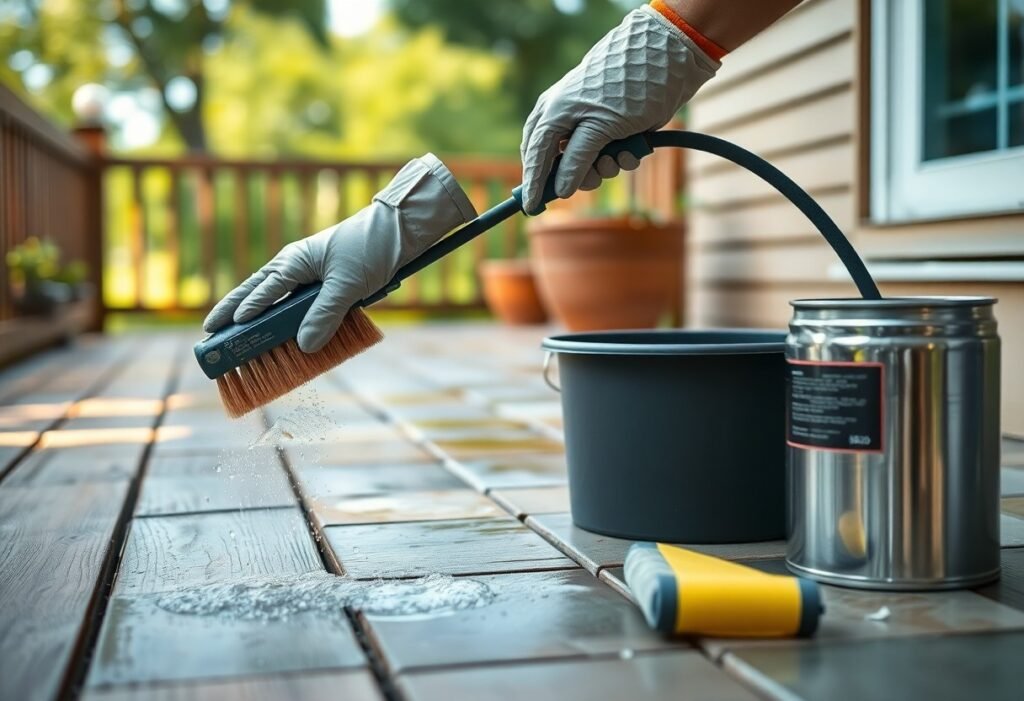
Most homeowners overlook how routine cleaning can degrade patios, decks, and walkways when done incorrectly. You face risks like etched stone, splintered wood, or weakened grout every time you use harsh chemicals or excessive pressure. This guide shows you how to preserve structural integrity while achieving a thorough clean, using methods tailored to specific materials and conditions found in typical outdoor environments.
Assessing Material Vulnerability and Environmental Factors
Surface composition directly influences how it responds to cleaning methods. Porous materials like limestone or sandstone absorb moisture and cleaning agents more readily than dense granite or concrete, increasing the risk of staining or erosion. Soft metals such as copper or weathered aluminum may corrode under acidic solutions. Organic growth like moss can accelerate deterioration on already compromised substrates. Environmental exposure also plays a role-north-facing surfaces in shaded, damp areas develop more mold, while sun-exposed zones face UV degradation and thermal expansion.
- Limestone is prone to acid etching
- Untreated wood absorbs pollutants and moisture
- Coastal installations face salt spray corrosion
- Urban areas accumulate soot and airborne particulates
Assume that every outdoor surface has unique sensitivities shaped by both material and location.
Identifying surface porosity and material strength
Porous surfaces such as unsealed concrete, brick, or natural stone allow water and contaminants to penetrate, promoting mold, freeze-thaw damage, and efflorescence. A simple water test-dropping a few drops and observing absorption-can reveal porosity levels. Dense materials like bluestone or fully cured concrete resist penetration and tolerate stronger cleaning methods. Soft woods like cedar dent easily under pressure, while high-density composites withstand more rigorous maintenance.
- Water beads indicate low porosity
- Darkening after wetting suggests high absorption
- Scratch tests reveal relative material hardness
- Manufacturer specs often list compressive strength
Assume that visible wear patterns reflect long-term exposure and structural limits.
Factors that dictate cleaning frequency and intensity
Surfaces in high-traffic areas, such as entryways or pool decks, accumulate dirt and require more frequent attention. Shaded or poorly drained zones encourage biological growth, demanding targeted cleaning to prevent degradation. Proximity to trees increases leaf litter and sap buildup, while coastal installations face salt accumulation that accelerates corrosion. Seasonal changes also affect maintenance needs-spring often reveals winter grime, while fall brings organic debris.
- High foot traffic increases soiling rates
- Overhanging branches deposit sap and debris
- Poor drainage promotes algae and moss
- Industrial zones accumulate chemical residues
Knowing your site’s micro-environment prevents over-cleaning and material fatigue.
Exposure to airborne pollutants in urban settings can necessitate cleaning twice as often as in rural areas, particularly on light-colored or textured surfaces that trap particulates. A mid-sized SaaS firm with an outdoor plaza in a downtown district may need quarterly maintenance, whereas a suburban patio with minimal exposure might require cleaning only once a year. Biological growth in humid climates often recurs within months if not properly managed. Sealed surfaces resist buildup longer but still degrade if cleaned with incompatible agents.
- Coastal salt exposure demands rinsing every few months
- Tree-covered areas need post-season debris removal
- Commercial spaces often follow monthly cleaning schedules
- Sealed surfaces reduce cleaning frequency by up to half
Knowing the rhythm of local environmental stressors optimizes maintenance timing and method selection.
Selecting Safe Tools and Cleaning Solutions
How-to choose between manual scrubbing and power washing
Power washing delivers speed and efficiency on large, durable surfaces like concrete driveways or brick patios, where high pressure removes embedded grime without compromising structural integrity. For softer materials such as cedar decking or stucco, manual scrubbing with a soft-bristle brush prevents fiber damage and maintains surface texture. A mid-sized SaaS firm maintaining an outdoor lounge area found that alternating methods-using low-pressure rinsing after hand scrubbing-preserved both cleanliness and material life.
Assess the surface rating before selecting equipment; masonry tolerates up to 3,000 PSI, while wood requires under 1,500. Nozzles matter: a 40-degree tip spreads force safely across broad areas. When in doubt, start low and increase gradually, observing how the surface reacts within the first 30 seconds of contact.
Tips for selecting pH-neutral and eco-friendly agents
Chemical balance affects both performance and longevity; acidic cleaners may strip natural stone, while alkaline formulas can dull composite finishes. pH-neutral solutions maintain material stability while effectively lifting organic matter. Look for biodegradable labels and plant-based surfactants that break down safely in soil and water systems.
- Avoid chlorine-based bleaches that discolor grout and harm nearby vegetation
- Choose cleaners labeled non-toxic and safe for pets and children
- Verify packaging is recyclable or made from post-consumer materials
- Test any product on a small, hidden area before full application
Thou shalt always rinse thoroughly after cleaning to prevent residue buildup that attracts dirt and promotes mildew regrowth.
How-to Clean Masonry and Concrete Safely
Techniques for removing organic growth without etching
Algae, moss, and mildew often cling to shaded or damp concrete and masonry surfaces, creating slip hazards and discoloration. A low-pressure rinse combined with a solution of oxygen-based bleach and water effectively breaks down biological growth without altering the surface texture. Avoid acid-based cleaners, which can etch porous stone or concrete, especially on older installations. Let the solution dwell for 10-15 minutes before gently agitating with a soft nylon brush.
Pressure washing at high settings may strip fine particles from the surface, accelerating deterioration over time. Instead, use a fan tip nozzle set below 1,500 PSI for delicate substrates. For stubborn stains, repeat the dwell-and-rinse process rather than increasing force. Perceiving subtle changes in surface tone or pitting after cleaning helps determine if future methods need adjustment.
Tips for protecting jointing sand and mortar integrity
Jointing materials between pavers or masonry units are often more porous and fragile than the surrounding surface. Water infiltration and aggressive cleaning can wash out sand or erode mortar, leading to shifting or cracking. Use a targeted spray pattern to avoid direct streams on joints. When cleaning near grout lines, reduce pressure and keep the nozzle at a 45-degree angle to deflect force laterally.
Stabilized jointing sand or epoxy-based grouts offer greater resistance to erosion but still require gentle maintenance. Reapply sealant every few years if the surface is routinely cleaned. Monitor joints seasonally for signs of settling or washout, especially after heavy rains or cleaning cycles.
- Inspect joints before and after cleaning for displacement
- Use sealants compatible with both substrate and joint material
- Limit water volume near mortar to prevent freeze-thaw damage
- Choose granular joint fill with angular particles for better lock
Perceiving early signs of joint degradation prevents costly repairs and maintains structural cohesion across paved areas.
Specialized Care for Wood and Composite Decking
How-to strip grime without splintering wood fibers
Begin by sweeping away loose debris to prevent abrasive scratching during cleaning. Mix a solution of oxygen-based cleaner and warm water, applying it with a soft-bristle brush to lift embedded dirt from wood grain. Avoid pressure washers exceeding 1,500 PSI, as excessive force can fray wood fibers and create splinter risks. Work in small sections, rinsing thoroughly with low-pressure water to remove residue. A mid-sized SaaS firm managing outdoor workspaces reported improved deck longevity after switching to this method.
Essential factors for choosing the right protective sealant
Consider the deck’s exposure to sunlight, moisture, and foot traffic when selecting a sealant. Penetrating oils work well for dense hardwoods, while film-forming finishes suit softer woods needing surface reinforcement. Check whether the product resists UV graying and mold growth, especially in shaded or humid areas. Compatibility with prior coatings matters-some sealants require complete stripping before reapplication.
- Water-based sealants dry faster and emit fewer fumes
- Solvent-based options often provide longer surface protection
- Reapplication frequency varies from one to three years
The right choice balances durability with ease of maintenance, reducing long-term wear.
Preventing Damage During High-Pressure Operations
Tips for managing nozzle distance and PSI levels
Hold the nozzle at least 12 inches from the surface when starting, adjusting based on material response. Use lower PSI settings for soft materials like cedar or stucco, reserving higher pressure for dense concrete. A typical residential pressure washer operates between 1,500 and 3,000 PSI, but even mid-range settings can erode wood grain or dislodge mortar if misapplied. Always test on a small, inconspicuous area first. Nozzle tips in red (0°) deliver concentrated force and increase damage risk; opt for green (25°) or white (40°) for safer coverage.
- Maintain consistent distance to prevent streaking or etching
- Begin with the lowest effective PSI and increase only if necessary
- Move the wand in smooth, overlapping passes to avoid pooling
Knowing the recommended PSI range for your surface type prevents unnecessary wear and extends material life.
How-to avoid surface scarring and water intrusion
Angle the spray downward at 25 to 30 degrees rather than directing it straight into joints or seams. Horizontal surfaces like deck boards are especially prone to water seeping beneath fasteners, which can lead to rot or freeze-thaw damage in colder climates. Never linger in one spot, as concentrated force can carve micro-grooves into softer substrates. Use a sweeping motion and allow the detergent-applied before rinsing-to do most of the cleaning work.
Directing water away from seams and gaps reduces the chance of moisture penetrating behind cladding or under decking layers, a common cause of hidden decay in a mid-sized SaaS firm’s outdoor infrastructure over time.
Proactive Maintenance for Long-Term Integrity
Regular attention to outdoor surfaces prevents minor wear from escalating into structural compromise. A mid-sized SaaS firm with a rooftop terrace found that biannual sealant reapplication reduced water infiltration by addressing micro-cracks before freeze-thaw cycles worsened them. Surface longevity often depends not on dramatic interventions but on consistent, modest upkeep performed at the right intervals.
Seasonal inspection factors for early damage detection
Winter’s freeze-thaw cycles can expand hairline fractures in pavers, while summer heat may warp composite decking exposed to unshaded areas. Inspect grout lines after prolonged rain, check for soft spots on wooden platforms following humid months, and monitor efflorescence on masonry after spring thaws.
- Examine joints and seams for widening gaps
- Look for discoloration indicating moisture retention
- Test railings and support structures for stability
Knowing these seasonal patterns helps pinpoint vulnerabilities before they require costly repair.
Practical tips for routine debris management
Leaves, pine needles, and pollen accumulate rapidly, especially under trees or near overhanging branches. Allowing organic matter to remain in contact with surfaces encourages mold, staining, and surface degradation over time.
- Sweep patios and walkways weekly during fall and spring
- Use a leaf blower with adjustable airflow to avoid surface abrasion
- Trim nearby foliage to reduce debris load
Perceiving debris not as a cosmetic issue but as a source of chemical and biological wear shifts maintenance priorities effectively.
Organic buildup retains moisture and fosters microbial growth that degrades finishes and weakens substrates. A lakeside property in the Pacific Northwest extended its deck’s lifespan by three years simply by instituting a twice-monthly clearing routine.
- Avoid metal rakes or harsh brushes on soft woods and composites
- Clear gutters to prevent overflow onto adjacent surfaces
- Dispose of wet leaves promptly to inhibit staining
Perceiving debris removal as preventive care aligns daily habits with long-term preservation goals.
To wrap up
Consistent care preserves the appearance and structural integrity of outdoor surfaces without inviting unintended harm. You extend the lifespan of materials like stone, wood, and concrete by choosing appropriate tools and avoiding excessive pressure or harsh chemicals.
A mid-sized SaaS firm maintaining a stone patio, for example, benefits from scheduled inspections and gentle cleaning cycles just as much as a homeowner with a composite deck. Your routine maintenance prevents buildup and decay, ensuring surfaces remain safe and visually cohesive year after year.